
Explainer: How Data Leaks Differ—and the Risks of Collecting Them
Summary
An overview of leaks, breaches, insider disclosures, ransomware data, scrapes, combo lists and stealer logs, covering how they circulate, challenges in assessing them, and steps individuals and organizations can take to reduce risk.
Key points
- The article distinguishes accidental leaks from deliberate unauthorized breaches and also describes insider disclosures, ransomware releases, scraped data, combo lists and stealer logs.
- It says data purported to be from Trello was posted on BreachForums; the post claimed it included 15,111,945 unique email addresses and other profile data.
- National Public Data disclosed an incident it believed involved a third-party bad actor; threat actors had made claims about the dataset before the company’s disclosure.
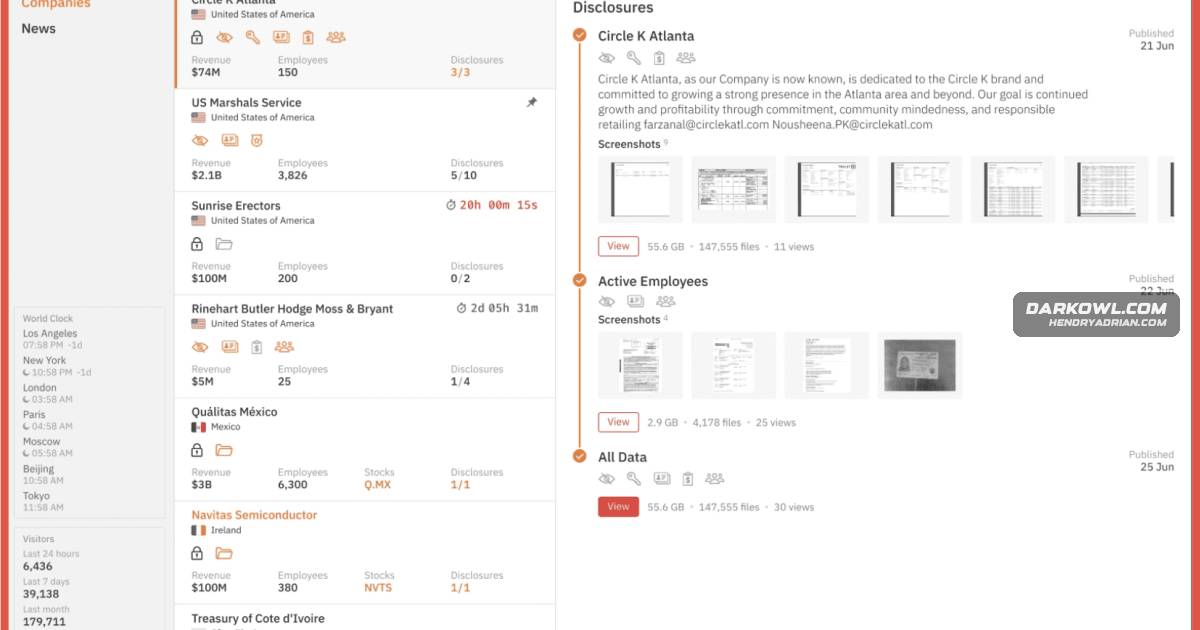
- Exposed data may be sold, released for free, offered by subscription or shared through reputation-based access; ransomware groups may publish data to pressure victims.
- Assessing leaks can be difficult because of their volume, uncertain authenticity and availability, inconsistent formats, large file sizes and slow downloads.
- Suggested steps include changing exposed passwords, using password managers and two-factor authentication, monitoring exposure, watching for phishing, and limiting personal information shared online.
Article Details
- Topic
- Types of data leaks and breaches, how leaked data is collected and shared, challenges in assessing exposure, and recommended remediation.