
How to Spot and Avoid Common Holiday Scams
Summary
DarkOwl outlines common holiday shopping, travel, phishing, charity, and gift-card scams, with advice for checking websites and links, avoiding suspicious payments, inspecting gift cards, and reporting suspected fraud.
Key points
- Non-delivery scams use phishing emails or fake ads to sell sought-after goods at suspiciously low prices; victims pay but never receive the items.
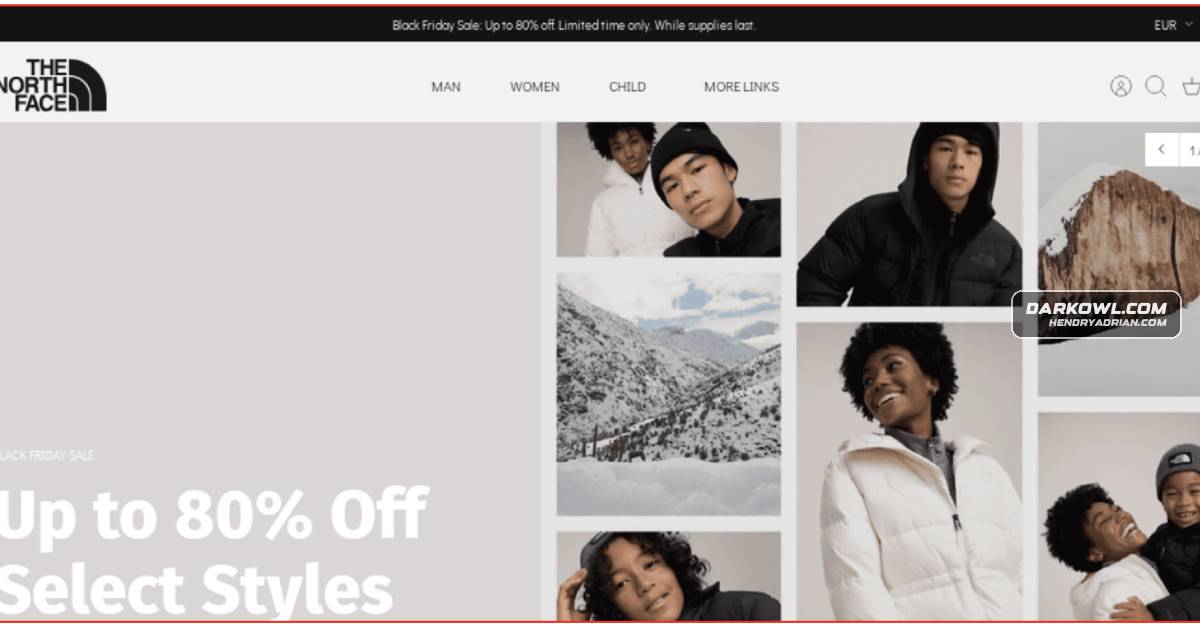
- Fake shopping sites may imitate legitimate brands, advertise steep discounts and free gifts, and use urgency such as low-stock claims.
- Fake travel websites may advertise nonexistent trips, flights, or accommodation to collect personal and payment information.
- Delivery-delay messages and texts can use urgency and links to steal personal information or prompt malware downloads.
- Charity scams may impersonate legitimate organizations or exploit emotional appeals and urgency to solicit donations.
- Gift-card scams include requests for payment by card and tampering with cards in stores to steal their numbers and security codes.
- DarkOwl advises checking links and website details, avoiding suspicious messages and gift-card payments, researching charities, inspecting card packaging, and reporting suspected fraud to the FTC or FBI’s IC3.
Article Details
- Defense Focus
- Help consumers recognize and avoid holiday-related fraud, including fake shopping and travel sites, phishing and smishing, charity scams, and gift card fraud.
- Detection Methods
- Inspect shopping website URLs and verify that the site is legitimate before purchasing.
- Look for suspiciously low prices, implausible discounts, pressure tactics such as low-stock claims or promised free gifts, mismatched fonts, grammatical errors, and low-quality images.
- Check whether a site's customer-service email uses a domain associated with the legitimate business.
- Inspect gift card packaging for signs of tampering before purchase.
- Research advertised charities through trusted sources.
- Data Sources
- Website URLs and page content
- Email and text-message links, sender claims, and payment requests
- Gift card packaging
- Trusted charity information sources
- Defensive Actions
- Do not click suspicious links in email, text messages, or online advertisements, and do not respond to suspicious messages.
- Avoid entering personal information on unverified sites or downloading files prompted by suspicious links.
- Use a credit card rather than a prepaid gift card for purchases from sellers; inspect gift cards for tampering.
- Report suspicious websites, phishing emails, and phishing texts to the FTC and the FBI's Internet Crime Complaint Center (IC3).