What Is Doxing? Risks, Consequences and Ways to Protect Yourself
Summary
Doxing is the nonconsensual public release of personal information, which can enable harassment, identity theft, stalking and threats. The article explains common impacts and recommends practical steps to limit exposure.
Key points
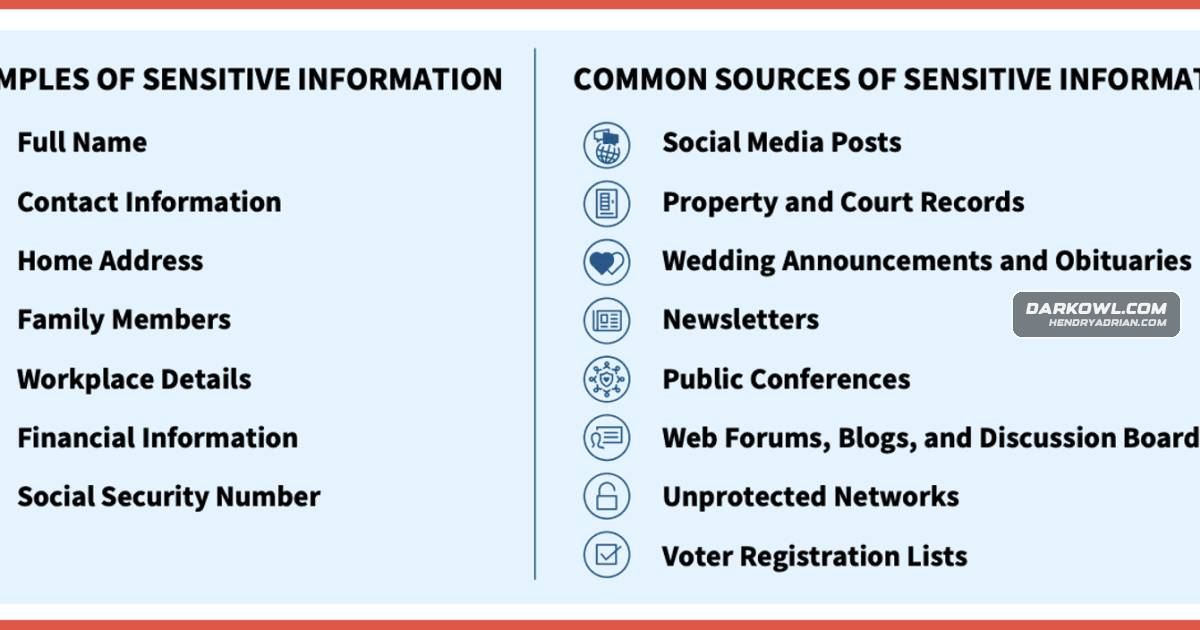
- Doxing involves publicly sharing personal information without consent; information may come from data brokers and social media or be obtained illegally.
- People may be targeted for their public roles, affiliations, personal disputes or online activity.
- Exposed information can contribute to identity theft, financial crime, reputational damage, stalking, harassment and threats to physical safety.
- The article describes Doxbin as a paste site where users post personal information, often with intent to target individuals.
- Suggested precautions include limiting personal information online, tightening privacy settings, using unique passwords, enabling two-factor authentication, monitoring one's digital footprint and watching for phishing.
Article Details
- Topic
- Doxing: its methods, impacts, examples, and personal privacy protections