
India to Require Caller Names on Incoming Calls Over 4G and Newer Networks
Summary
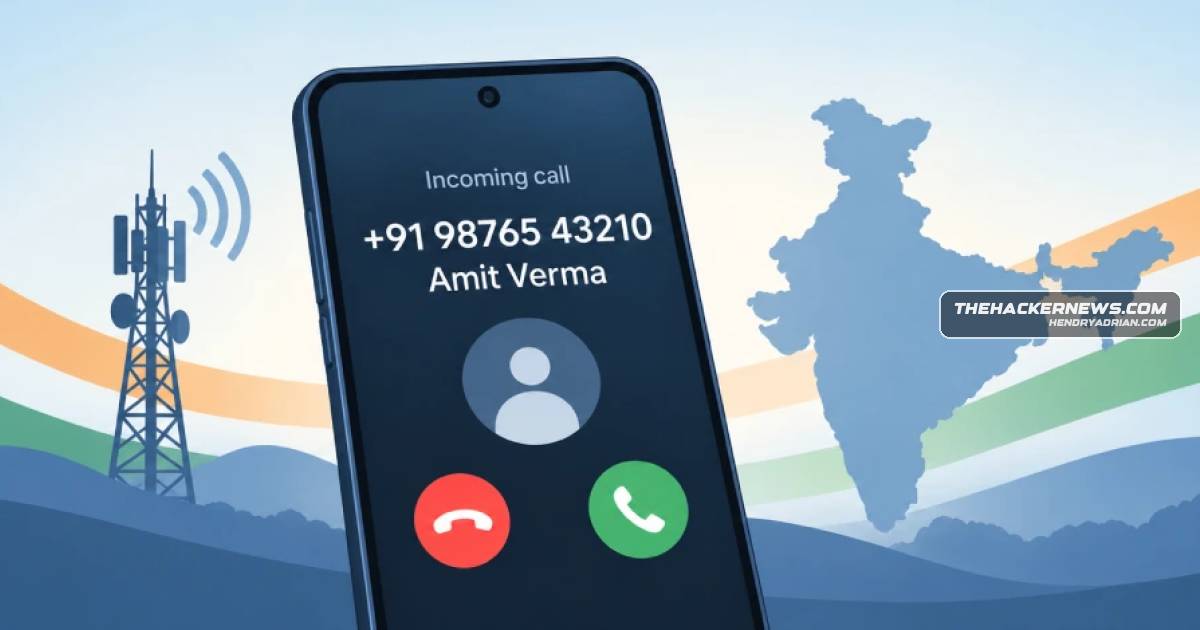
India will require telecom providers to display callers’ registered names alongside their numbers on 4G and newer networks from November 1, 2026, as a measure against spam and fraudulent calls.
Key points
- India’s Department of Telecommunications has directed providers to implement Calling Name Presentation (CNAP) from November 1, 2026.
- CNAP initially applies to wireless networks using 4G and newer technologies; 2G, 3G and landline networks will be considered separately.
- The originating provider must maintain a database linking subscribers’ names to phone numbers; the receiving provider will query it to display the caller’s name.
- Providers are expected to offer Calling Line Identification Restriction so users can hide their caller identity.
- Users with business or bulk connections may choose a preferred name, subject to registration and supporting documentation.
Article Details
- Event Type
- Telecommunications regulatory mandate requiring caller name display
- Impact
- Starting November 1, 2026, telecom service providers in India are required to display callers’ registered names alongside their numbers for incoming calls on 4G and newer networks. The measure is intended to help users identify unknown callers and address spam and fraud. Providers must maintain subscriber name-to-number databases, and users can opt to hide their caller identity using CLIR.
Products
Calling Line Identification Restriction (CLIR)Telecom operators are also expected to provide a Calling Line Identification Restriction (CLIR) facility, as part of which users can choose to hide their caller identity when making calls.Calling Name Presentation (CNAP)To that end, the Department of Telecommunications has issued a circular urging service providers to implement the Calling Name Presentation (CNAP) service.