How to Build a Resilient Security Stack and Team
Summary
Huntress discusses how security teams can improve resilience by reducing alert noise, clarifying ownership, strengthening identity and asset visibility, and pairing security tools with workflows that support timely response.
Key points
- Huntress reports that 64.1% of surveyed teams say at least a quarter of their alerts are noise; 24.8% say more than half are meaningless noise.
- Identity-based attacks are the threat category respondents feel least prepared to defend against, at 26.5%.
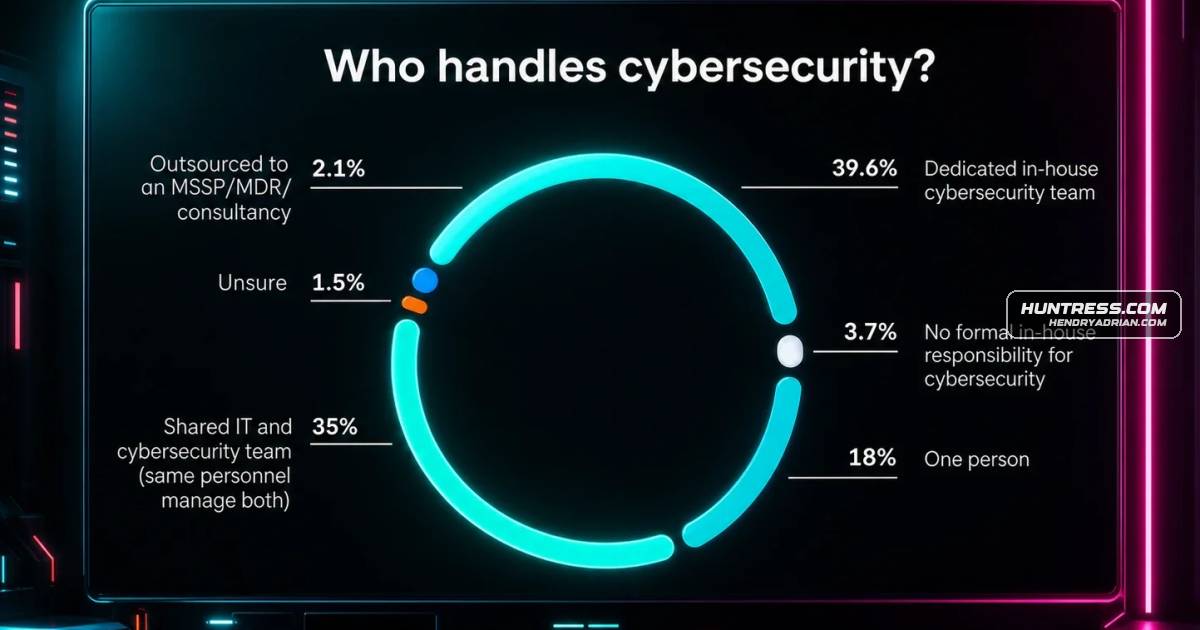
- The article recommends clear response ownership and handoffs, especially for lean teams with shared IT and security responsibilities.
- It advises strengthening identity and access management with visibility into suspicious behavior, session abuse, and access patterns.
- Other suggested foundations include continuous asset inventory, endpoint coverage, SIEM and detection workflows, and zero-trust controls supported by identity visibility and response planning.
- Huntress says 46.9% of respondents consider AI critical to their strategy, particularly for detection, automated response, and faster analysis.
Article Details
- Topic
- Building resilient cybersecurity programs by combining security tools with clear team ownership, reduced alert noise, identity protection, visibility, and effective detection and response workflows.
Vendors
Products
Huntress Managed ITDRHuntress ITDR incident report flagging a session hijacking attemptHuntress Managed SIEMHuntress Managed SIEM detects a brute force attemptMicrosoft Entra IDidentity protection is a core part of any successful security stack. IAM platforms like Okta or Microsoft Entra ID still play an important role, and modern threats have pushed the conversation well beyondOktaStrong identity protection is a core part of any successful security stack. IAM platforms like Okta or Microsoft Entra ID still play an important role, and modern threats have pushed the conversation well beyond