
npm Moves Malware Scanning Before Publication, but Leaves Key Details Unclear
Summary
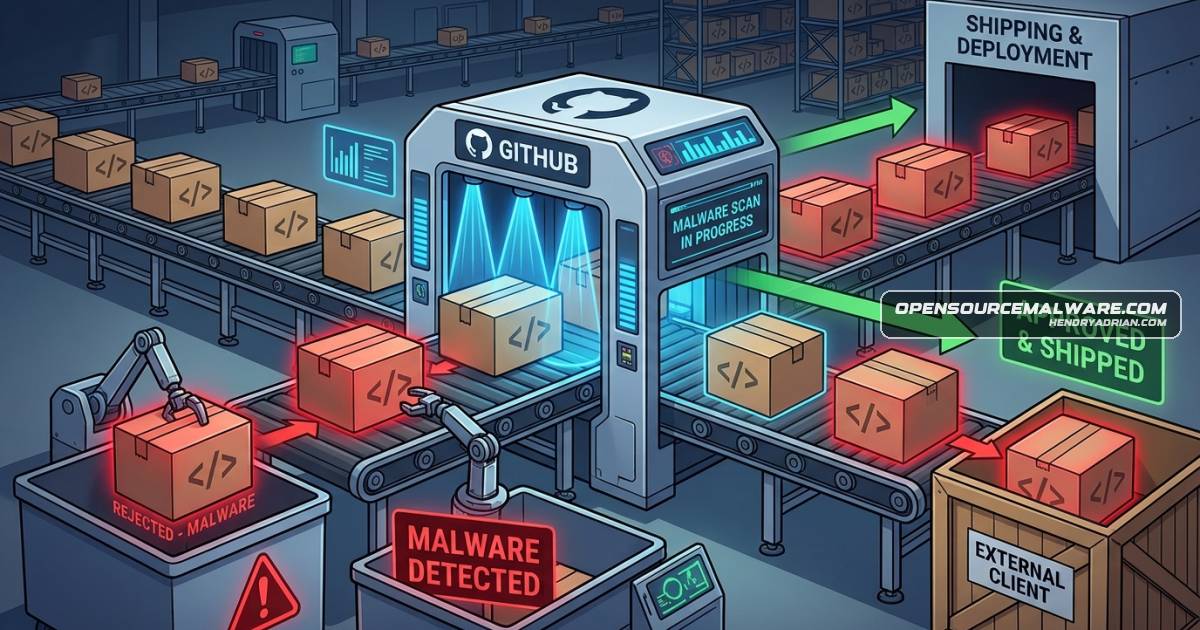
npm says new packages will be scanned before becoming installable, with some held or blocked. The article questions the scanner’s effectiveness and rollout details, noting npm had already said it scanned package versions.
Key points
- New npm packages may take about five minutes or longer to become installable while scanning is pending; npm says this is not a service guarantee.
- Packages may be published, held for manual review, or blocked; publishers may be able to appeal, and maintainer accounts may face action.
- Packages classified as dual-use must declare a contentPolicy field, include a DISCLOSURE file, and use a publishing method that enforces 2FA.
- The author notes that GitHub said in April 2026 it already scanned every npm package version, and argues the new measure shifts when scanning results are applied.
- The announcement does not name the scanning engine or partner, specify a start date, or provide detection, false-positive, or appeal-time metrics.
- The author expects scanning to catch some obvious malicious packages but argues it may miss delayed or runtime-triggered attacks and malicious content outside the published package tarball.
Article Details
- Event Type
- npm announced pre-publication malware scanning and dual-use package publishing requirements.
- Impact
- New package publishes may be delayed by about five minutes or longer, and packages may be held for review or blocked; maintainers may also face account action. The article says npm had already been scanning package versions, but provides no new scanner details, start date, detection metrics, false-positive rate, or appeal timeline. The author questions whether the short decision window is compatible with human review and warns that dual-use requirements could burden legitimate security-tool authors. No specific malicious indicators are provided.