
How Banks Can Detect Fraud Earlier by Monitoring Risky Sessions and Threat Campaigns
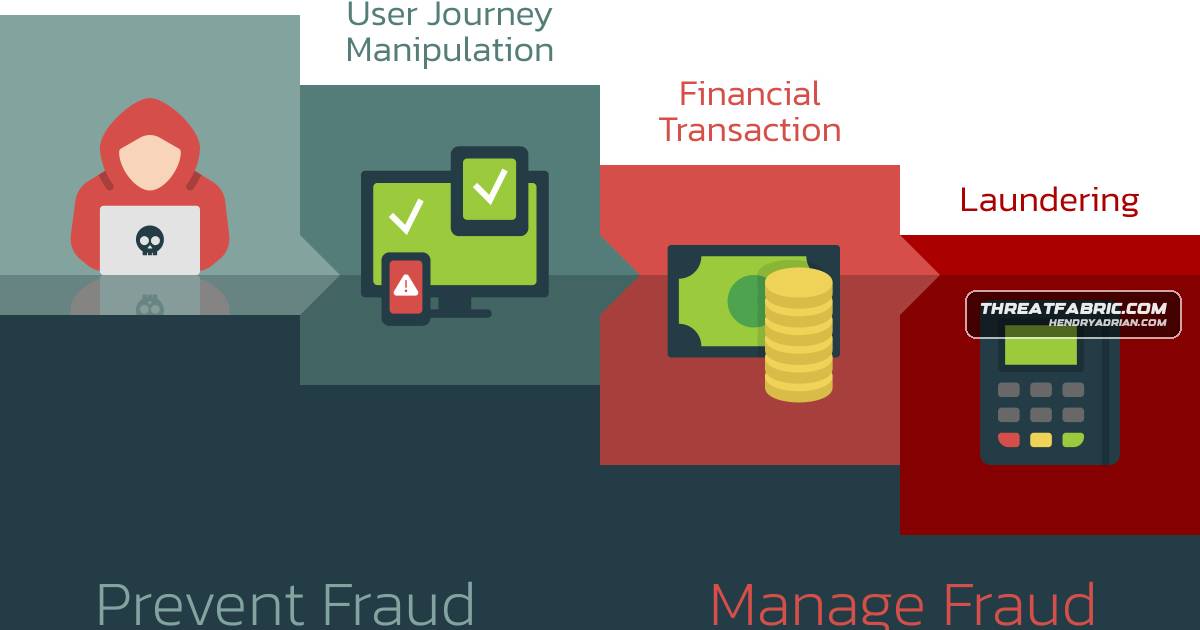
Summary
The article explains how banks can move fraud detection earlier than the payment stage by using threat intelligence and user-journey signals such as malware, remote access, risky calls, location anomalies, and behavioral changes.
Key points
- Fraud prevention focused only on transactions can miss earlier signs of attacker preparation, device compromise, social engineering, and mule-account activity.
- User-journey signals include mobile malware, remote access tools, risky calls, location anomalies, device changes, and unusual behavior.
- Threat intelligence can help banks anticipate campaigns, understand emerging tactics, and tune defenses before attacks reach their customers.
- The article recommends feeding threat intelligence into detection rules and combining device, behavioral, and attack-risk signals into session-level scoring.
- The vendor says its signal collection is designed to minimize personal-data processing and align with GDPR requirements.
Article Details
- Topic
- Shifting fraud detection earlier in the online fraud lifecycle by combining user journey intelligence, threat intelligence, and fraud risk signals.