
Five Cybersecurity Habits to Strengthen Defenses in 2026
Summary
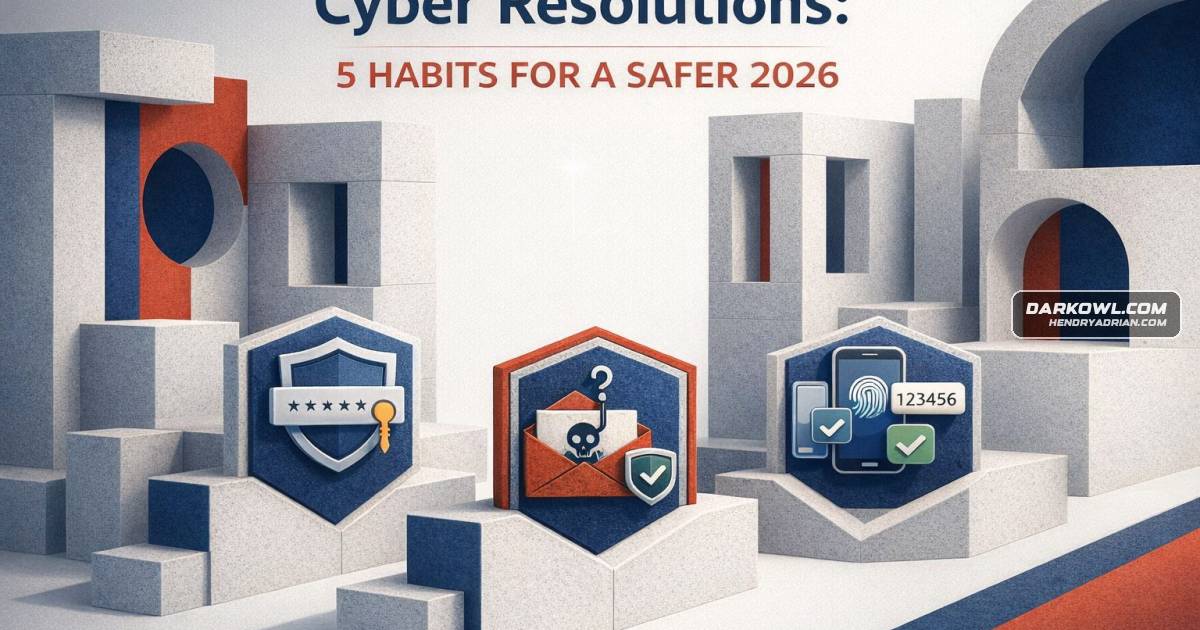
The article recommends five repeatable security habits for 2026: strengthen identity controls, retain useful logs, prioritize exploited vulnerabilities, reduce alert noise, and practice incident response.
Key points
- Use phishing-resistant authentication for privileged and external-facing accounts; remove shared credentials and regularly review OAuth grants and long-lived tokens.
- Retain and normalize identity, endpoint, DNS, network, and cloud audit logs so teams can reconstruct incident timelines.
- Prioritize patching exposed systems and vulnerabilities with available exploits or evidence of active abuse; consider removing legacy services.
- Tune alerts and automate enrichment so analysts can focus on meaningful threats and response decisions.
- Practice incident response with realistic tabletop exercises, clear escalation paths, and pre-approved actions.
Article Details
- Defense Focus
- Strengthen identity controls, retain investigation-ready logs, prioritize patching based on exploitation risk, reduce alert noise, and rehearse incident response.
- Detection Methods
- Monitor authentication behavior for anomalies rather than relying only on successful or failed login events.
- Tune detections to the environment and ensure alerts map to response actions.
- Automate enrichment so analysts can prioritize and assess alerts.
- Data Sources
- Identity and authentication logs
- Endpoint telemetry, including process lineage and command-execution context
- DNS, proxy, and network logs
- Cloud control-plane and audit logs
- Normalized timestamps and identity fields across log sources
- Defensive Actions
- Use phishing-resistant authentication options such as FIDO2 keys, WebAuthn, and passkeys, particularly for privileged and external-facing accounts.
- Eliminate shared credentials and reduce service-account sprawl.
- Regularly review OAuth grants and long-lived tokens.
- Retain identity and authentication logs long enough to reconstruct incident timelines; centrally store cloud control-plane and audit logs.
- Prioritize patching for perimeter and identity infrastructure, exposed management interfaces, and internet-facing services, considering exploit availability and evidence of active abuse.
- Remove legacy services where that is more effective than adding compensating controls.
- Review alert value, tune detections, and automate enrichment to reduce operational noise.
- Run realistic tabletop exercises, rehearse containment-versus-continuity decisions, pre-approve response actions, and establish clear after-hours escalation paths.