How Man-in-the-Middle Attacks Intercept Communications—and How to Reduce the Risk
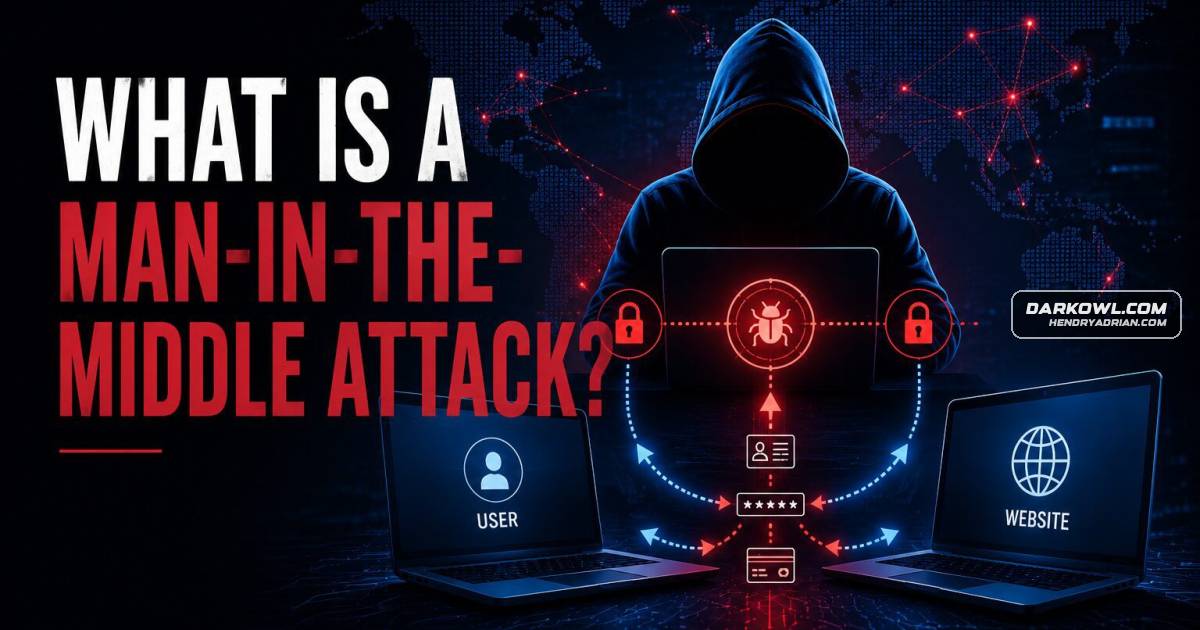
Summary
An explainer describes how man-in-the-middle attacks intercept or alter communications, outlines common techniques and past examples, and recommends defenses including HTTPS, MFA, secure Wi-Fi, VPNs, and network monitoring.
Key points
- Attackers position themselves between communicating parties to observe or alter data, potentially stealing credentials, account details, cookies, or authentication tokens.
- Methods described include ARP spoofing, rogue Wi-Fi access points, DNS spoofing, session hijacking, and SSL stripping.
- The article identifies unverified public Wi-Fi as a common interception risk.
- Examples include the 2018 MyEtherWallet BGP hijacking and fraudulent DigiNotar certificates used in attacks targeting users in Iran in 2011.
- Recommended defenses include HTTPS, certificate and domain checks, avoiding untrusted Wi-Fi or using a VPN, and securing routers with strong Wi-Fi encryption and changed default credentials.
- The article also recommends MFA, timely patching, network monitoring, endpoint protection, and employee security training.
Article Details
- Topic
- Man-in-the-middle attacks