Why Cybersecurity Is a Business-Wide Responsibility
Summary
The article explains how cyber risk affects business operations, finances, compliance, and customer trust, and argues that leadership should support security measures such as penetration testing, employee training, and Zero Trust.
Key points
- Cyber incidents can cause financial losses, operational downtime, regulatory penalties, and reputational damage.
- The article says security decisions involving data governance, vendors, employee access, and infrastructure require business-wide attention, not just IT ownership.
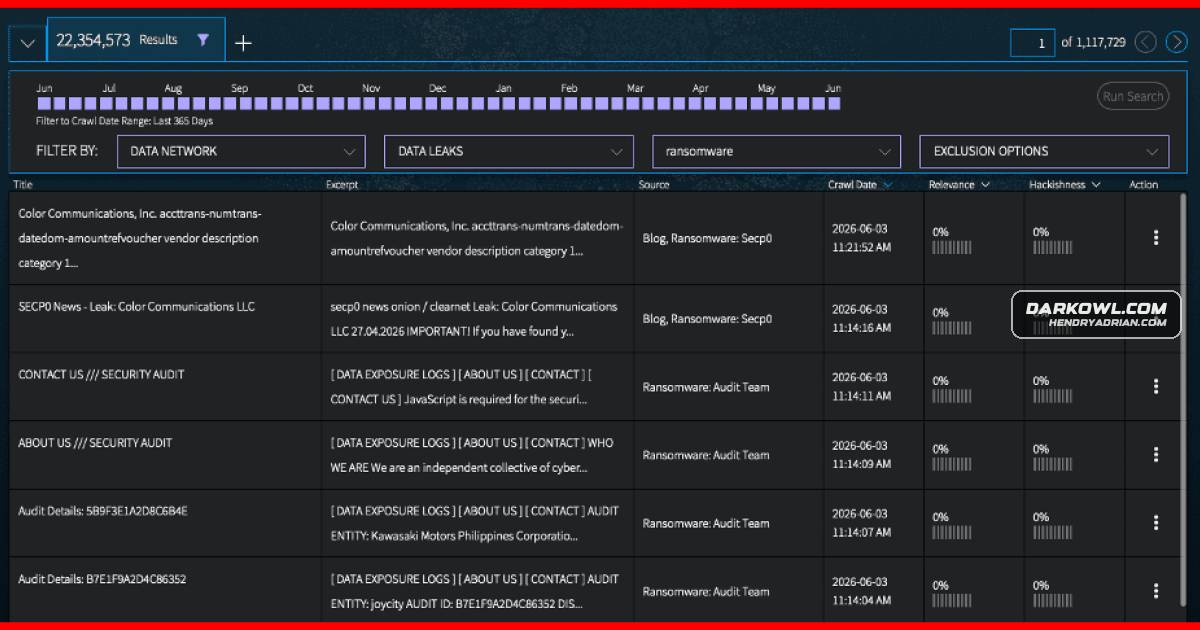
- Sensitive information such as emails, passwords, and financial records may be stolen, ransomed, or used to enable further attacks.
- Penetration testing can assess vulnerabilities through approaches including social engineering, network, web application, and cloud testing.
- The article recommends annual penetration testing as a general benchmark and notes PCI DSS testing requirements; it also cites HIPAA security expectations for healthcare entities.
- It presents Zero Trust access restrictions as a security investment that can reduce the potential impact of a breach.
Article Details
- Topic
- Cybersecurity as a business-wide responsibility, including its financial and operational impact and the value of proactive measures such as penetration testing, Zero Trust, and employee training.