What the CIA Triad Means for Cybersecurity
Summary
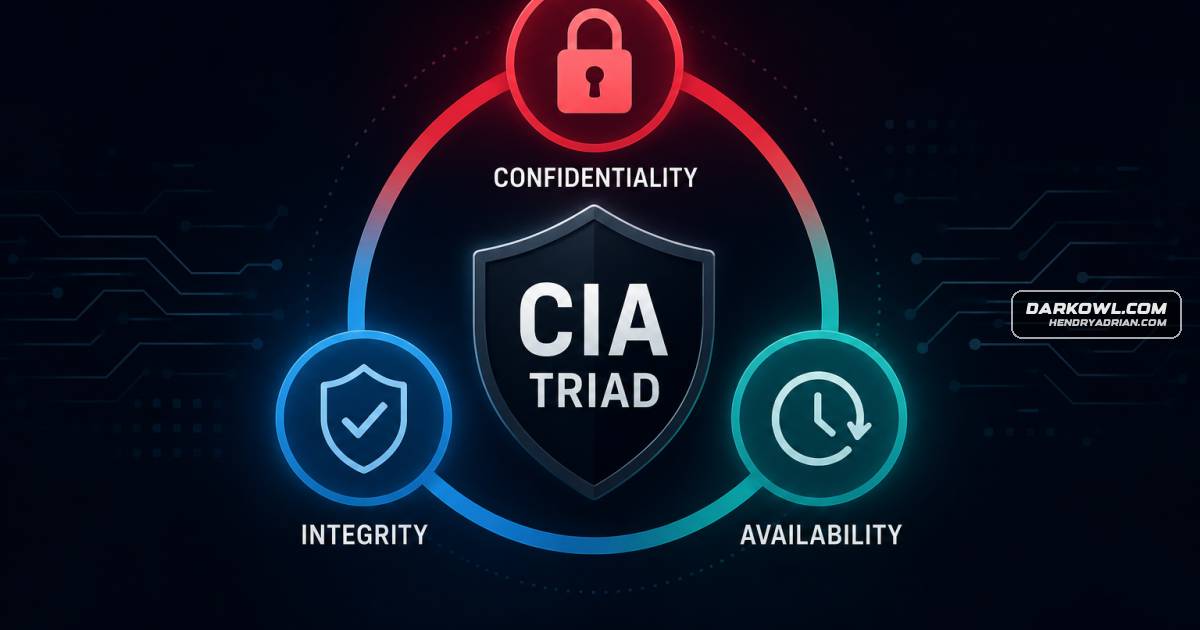
The CIA Triad—confidentiality, integrity, and availability—is a foundational information-security model. The article explains each principle, common threats and safeguards, and how organizations can use the model to assess risks and incidents.
Key points
- Confidentiality limits sensitive information to authorized users; controls include least privilege, MFA, encryption, and data classification.
- Integrity protects information from unauthorized or accidental changes; safeguards include monitoring, hashing, digital signatures, audit logs, and change management.
- Availability ensures authorized users can access systems and information when needed; redundancy, backups, disaster recovery, and monitoring can help.
- The three principles are interconnected and should be balanced according to organizational risks and requirements.
- After an incident, teams can use the triad to assess whether confidentiality, integrity, availability, or several were affected.
- The article describes darknet threat intelligence as a way to monitor for stolen credentials, exploit discussions, and planned disruption.
Article Details
- Topic
- The CIA Triad as a cybersecurity framework for understanding and protecting confidentiality, integrity, and availability.