Encryption Explained: How It Protects Data—and How Threat Actors Misuse It
Summary
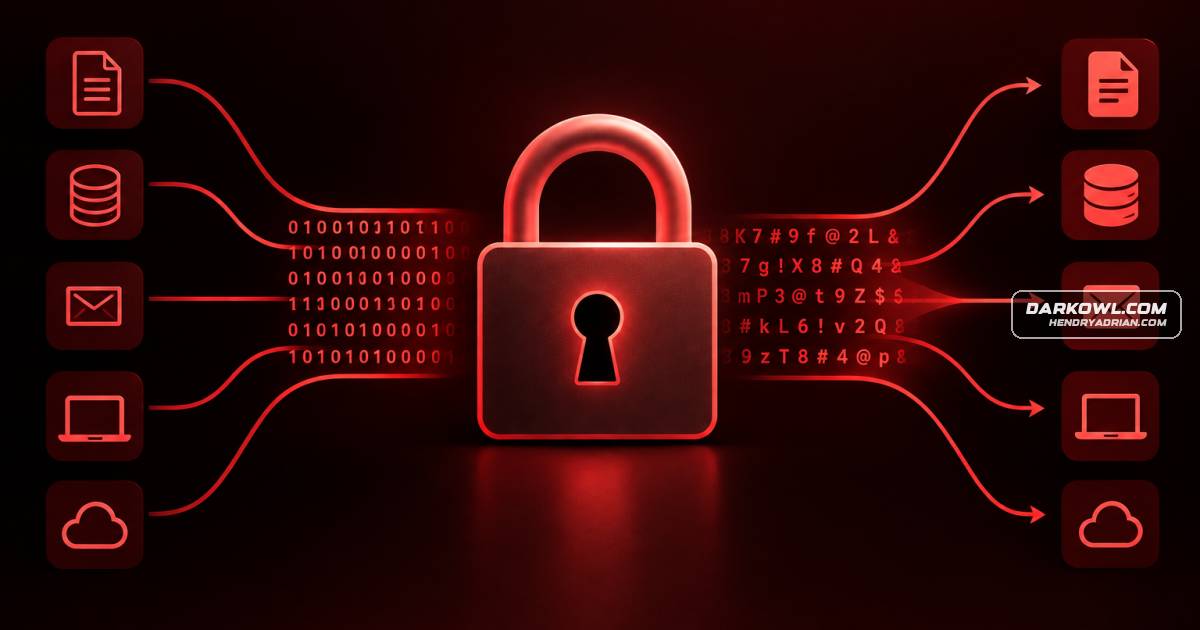
An explainer on encryption, its symmetric and asymmetric forms, uses in protecting data, misuse by ransomware operators and infostealers, and enterprise practices such as strong algorithms and secure key management.
Key points
- Encryption transforms readable data into ciphertext; access depends on the appropriate decryption key, whose protection is critical.
- Symmetric encryption uses one shared key, while asymmetric encryption uses linked public and private keys.
- Encryption protects data in transit and at rest, but does not by itself prevent phishing, malware, account compromise, or other attacks.
- Ransomware operators encrypt victims’ files to disrupt access, while infostealers may encrypt stolen credentials or tokens before exfiltration.
- The article recommends modern cryptographic standards, separate and controlled key management, TLS for data in transit, and full-disk encryption.
- The article distinguishes encryption from password hashing: leaked hashes may require offline cracking, while plaintext credentials can be immediately abused.
Article Details
- Topic
- Encryption fundamentals, common types and uses, and its role in cybersecurity and darknet activity