
Small-Time Cybercrime Is Growing, and Local Law Enforcement Is Not Ready
Summary
The article argues that cybercrime is increasingly attractive to small-time criminals, who target individuals with fraud and identity theft, and that local law enforcement needs more cyber-investigation skills to respond.
Key points
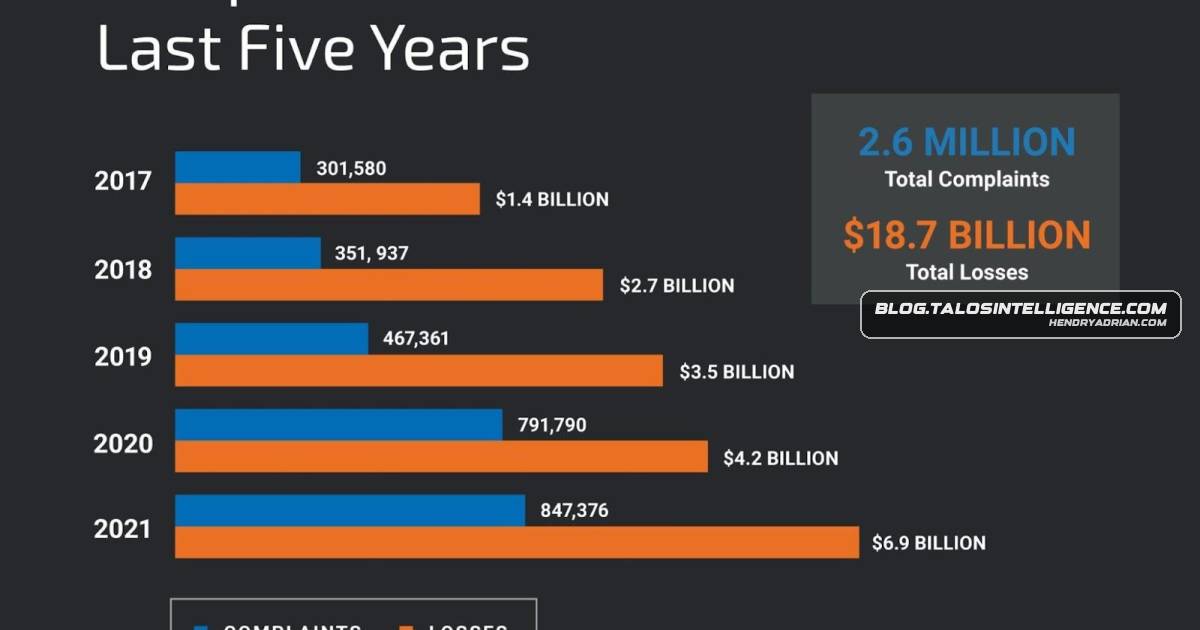
- The FBI's IC3 received 847,376 complaints in 2021, with victims losing a little over $8,000 on average.
- IC3 complaints rose by more than 60% from 2019 to 2020 and increased further in 2021.
- The article describes criminals shifting toward fraud and identity theft, including buying stolen personal data and committing benefits fraud.
- Smaller crimes can be easier to monetize and less likely to attract federal law-enforcement attention than large-scale theft.
- Local police face a skills gap: cybercrime investigations require analyzing digital evidence and linking transactions to build forensic cases.
- The author recommends identifying investigative talent within police departments and building ties with local schools and computer science programs.
Article Details
- Topic
- The growth of small-scale cybercrime and the challenges it creates for local law enforcement.