
AI Agents Create a Shared-Responsibility Gap Across Vendors
Summary
A sponsored analysis finds no consensus on responsibility for AI agent identity and behavior. It illustrates how a poisoned MCP ticket could trigger a GitHub push using a developer token, and recommends scoped identities, logging, access controls, and revocation.
Key points
- The article compares five organizations’ AI agent guidance and finds disagreement over responsibility for agent identity and behavior.
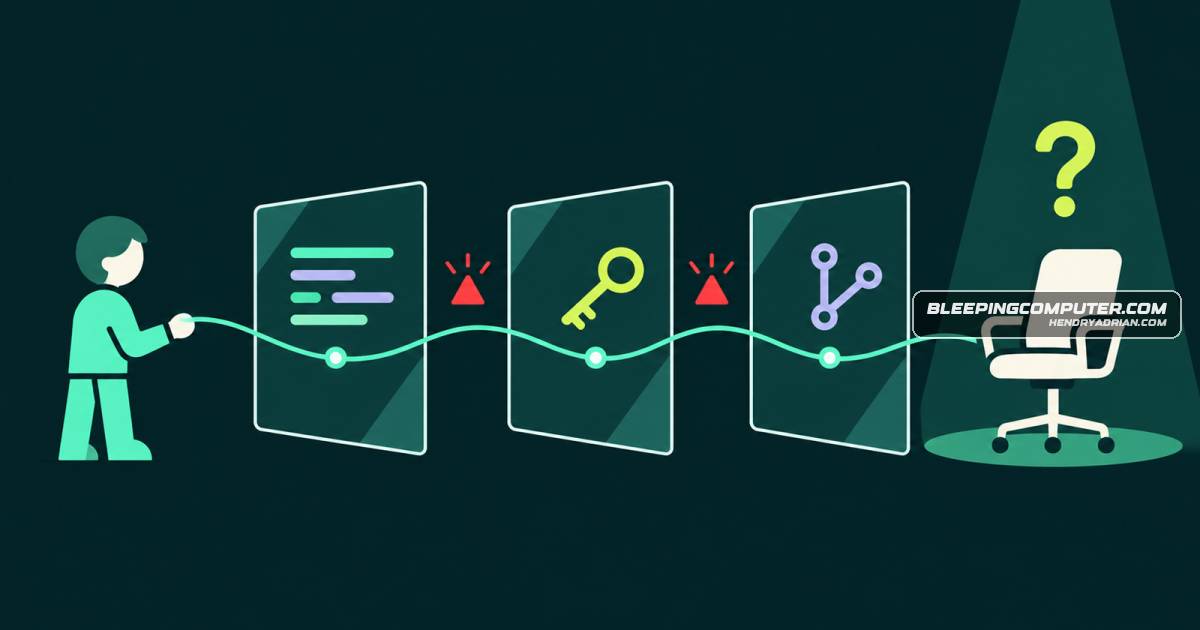
- A hypothetical poisoned support ticket delivered through MCP could prompt a coding agent to push a change to GitHub using the developer’s token.
- Token Security reports that, in organizations it monitors, 60% of Claude Code and Desktop agents contacted at least two outside vendors and 47% contacted at least three in one month.
- The article says MCP places tool-result validation and human approval with clients, while the protocol cannot enforce security principles at the protocol level.
- GitHub branch protection can stop some unauthorized changes, but the article notes default protections do not apply to repository administrators.
- Recommended safeguards include dedicated, narrowly scoped, short-lived agent identities; cross-vendor activity logging; branch protection and tool allowlists; and tested access revocation.
Article Details
- Topic
- Shared responsibility for AI agents’ identities, permissions, and actions across vendors.
Vendors
Amazon Web ServicesIf you copy data from AWS into SFDC, each vendor is responsible for the data's infrastructure security while they have it, but the customer is responsible for the action.Anthropicshared responsibility models from Microsoft, CSA and CoSAI, AWS's security guidance for AgentCore, and Anthropic's “Trustworthy agents in practice.” Only two assign ownership of an agent’s identity, and they split itAtlassianAtlassian, for its part, calls the use of MCP clients with its products "a customer-elected action."CoSAIpublished guidance on responsibility for AI agents: shared responsibility models from Microsoft, CSA and CoSAI, AWS's security guidance for AgentCore, and Anthropic's “Trustworthy agents in practice.” Only two assignCSAhave published guidance on responsibility for AI agents: shared responsibility models from Microsoft, CSA and CoSAI, AWS's security guidance for AgentCore, and Anthropic's “Trustworthy agents in practice.” OnlyCursorOpenAI, Cursor, and GitHub each have their own versions of approval prompts, automated reviewers, network limits, and sandboxes.GitHubThat ticket contains malicious instructions that cause the agent to push a change to GitHub using the developer's token.Microsofthave published guidance on responsibility for AI agents: shared responsibility models from Microsoft, CSA and CoSAI, AWS's security guidance for AgentCore, and Anthropic's “Trustworthy agents in practice.”OpenAIOpenAI, Cursor, and GitHub each have their own versions of approval prompts, automated reviewers, network limits, and sandboxes.Token SecuritySponsored by Token Security
Products
AgentCorefor AI agents: shared responsibility models from Microsoft, CSA and CoSAI, AWS's security guidance for AgentCore, and Anthropic's “Trustworthy agents in practice.” Only two assign ownership of an agent’s identity, andClaude CodeIn the organizations Token monitors, 60% of Claude Code and Desktop agents called two or more outside vendors, and 47% called three or more, in the span of one month.CursorOpenAI, Cursor, and GitHub each have their own versions of approval prompts, automated reviewers, network limits, and sandboxes.GitHubThat ticket contains malicious instructions that cause the agent to push a change to GitHub using the developer's token.Microsoft EntraMicrosoft, for example, gives agents identities of their own: a Microsoft Entra agent identity is a service principal in your Entra tenant.