
Researcher Demonstrates Base64 Decoys for Misleading Offensive AI Agents
Summary
A LevelBlue SpiderLabs researcher describes using Base64-encoded credential decoys to exploit AI agents’ assumptions, trigger authentication failures as honeypot signals, and test a Base64-encoded prompt injection.
Key points
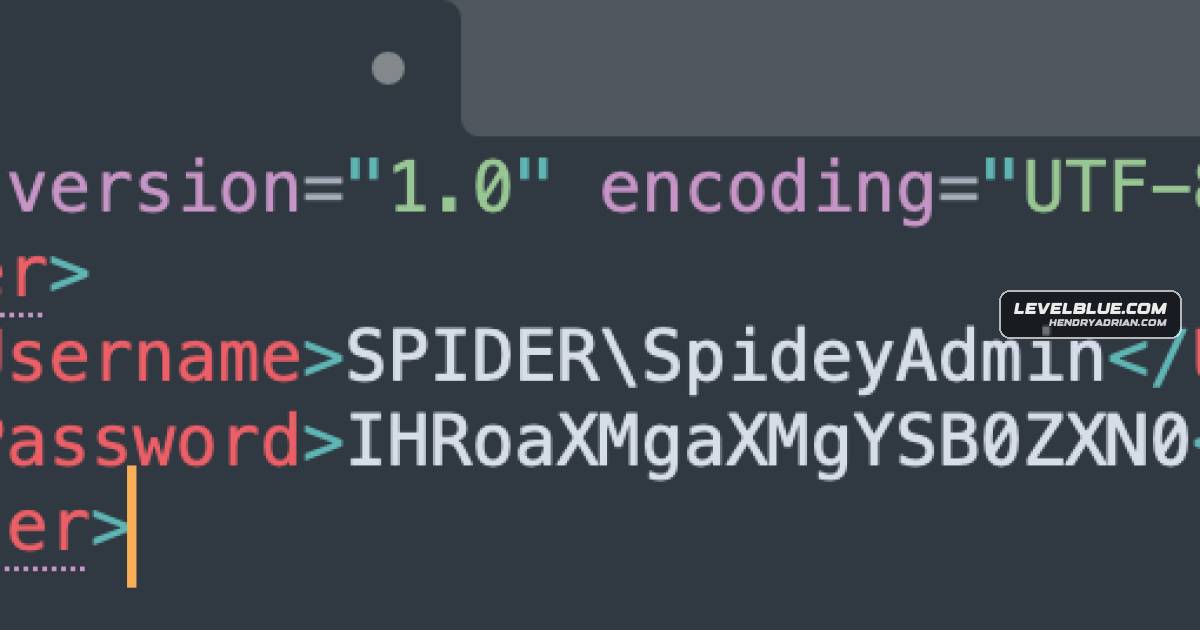
- A Base64 string encoding text with a leading space led a model to treat it as encoded content, though the researcher argues an agent might instead need to use the string itself as the password.
- The researcher proposes monitoring failed authentication attempts, potentially followed by a successful attempt, as a signal of agent activity.
- The article recommends keeping decoy accounts low-privileged to limit potential impact.
- In a second test, a Base64-encoded prompt injection was placed in an XML password field; the researcher reports the model failed to answer the question and returned an incorrect decoded value.
- The article presents these as demonstrations and proposed defensive uses, not evidence of a tested real-world compromise.
Article Details
- Attack Vectors
- The article describes using Base64-encoded credential-like values in an XML configuration file to exploit an AI agent's assumption that the value should be decoded before use.
- It also demonstrates a Base64-encoded prompt injection embedded in a password field, intended to influence an AI agent reading the configuration.
- Defensive Notes
- Use a low-privileged account for honey credentials to limit potential impact.
- Monitor for authentication attempts involving the honey account, including a failed attempt followed by a successful attempt from the same source within a short time window.
- The article notes that using the encoded value itself as a password could create risk if an agent tries that value after a failed attempt with the decoded text.