
Expired DMARC Domain Sent Email Reports From 86 Domains to Researcher
Summary
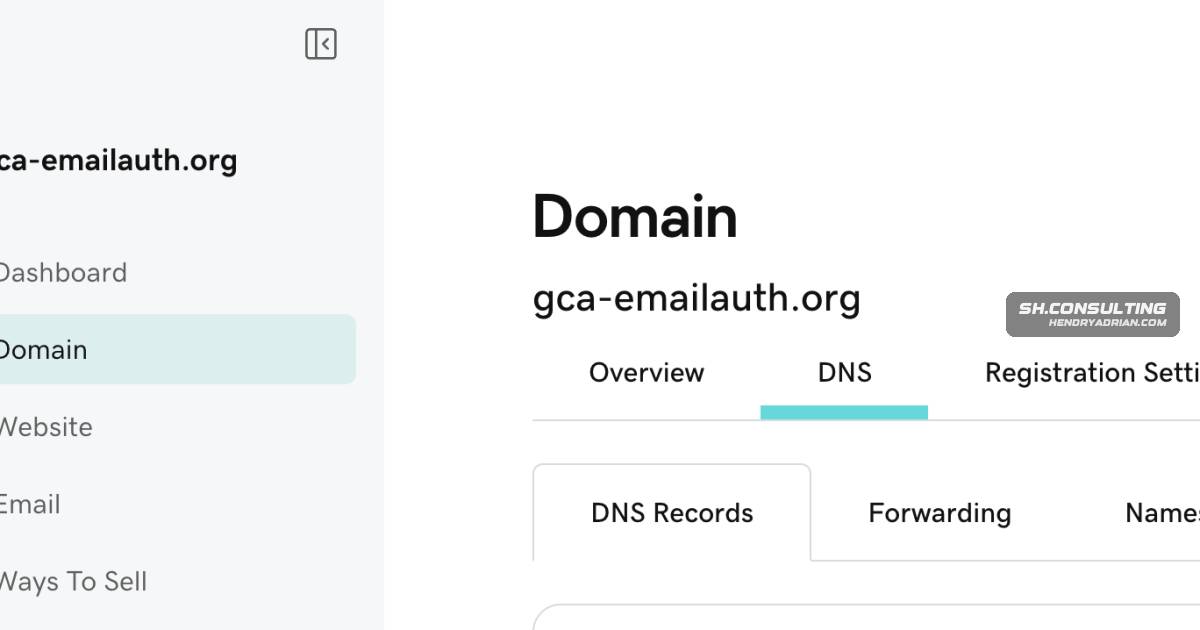
An expired DMARC reporting domain was registered for $10, sending reports from 86 domains across 20+ organizations to the researcher for eight months. At the latest check, 65 still pointed to it; reports exposed recipient, sending-infrastructure and routing data.
Key points
- The researcher says they registered gca-emailauth[.]org in November 2025 after it expired; DMARC reports from 86 domains across more than 20 organizations began arriving within a day and continued for eight months.
- Where populated, reports included envelope_to recipient domains, source IPs, message volumes, authentication results and routing information. The article says they contained no message bodies but could expose customer relationships and email infrastructure.
- At the latest verification sweep, 65 domains still pointed to the reporting endpoint. The researcher has since returned the domain to the Global Cyber Alliance.
- The Toro Company accounted for 56 affected domains. The article reports that myturf[.]com had a p=none policy and still listed the expired endpoint as a reporting destination.
- Reports for Great Prairie AEA showed 2,563 messages failing both SPF and DKIM across 122 sending hostnames and 1,422 source IPs. The researcher cautions that some failing mail may have come from the agency's own misaligned senders.
- The researcher recommends checking every address in each DMARC rua record, verifying who controls its domain, and directing reports to a mailbox the organization controls rather than simply removing reporting.
Article Details
- Attack Vectors
- Organizations continued to list an expired third-party domain in their DMARC rua reporting destinations. After the domain was re-registered, aggregate reports were automatically delivered to its new registrant.
- Some affected DNS records included the expired destination as a secondary reporting address, so reports continued to leak even while a primary reporting processor worked normally.
- The reports exposed sending infrastructure, authentication results, forwarding relationships, and—in reports with envelope_to populated—recipient domains and message volumes.
- Defensive Notes
- Review every address in each DMARC rua record, including secondary destinations, and verify who controls the domain after the @ and when that ownership was last checked.
- Replace reporting destinations that are no longer controlled or verifiable with a mailbox the organization controls; do not remove reporting destinations without providing a monitored replacement.
- Check DMARC enforcement settings and their effective parameters. The article reports that pct=10 limited enforcement for Great Prairie AEA despite p=reject, and that myturf.com used p=none and sp=none.
- Audit shared DNS records and domains assumed to be dormant; the article found that a shared record named "parked" also governed live domains.
People
Alex ShakhovConducted the investigation by registering the expired reporting domain, analyzing the DMARC reports, notifying affected organizations, and documenting the exposure.Robert ThomasAs head of engineering at the Global Cyber Alliance, investigated the domain's history and shared the organization's conclusion that the reporting address most likely had belonged to a former partner.
Vendors
Products
Countries
Kazakhstanfive independent providers. The heaviest failing streams resolved to national telecom networks across Kazakhstan, Kyrgyzstan and Uzbekistan, places an Iowa education agency has no conceivable business with. Not allKyrgyzstanproviders. The heaviest failing streams resolved to national telecom networks across Kazakhstan, Kyrgyzstan and Uzbekistan, places an Iowa education agency has no conceivable business with. Not all of that mailUnited Statesobscured.Back in the gca-emailauth.org data, the same field reconstructed what is recognizably the North American dealer network of The Toro Company’s myturf.com fleet platform: named distributors, each with a messageUzbekistanThe heaviest failing streams resolved to national telecom networks across Kazakhstan, Kyrgyzstan and Uzbekistan, places an Iowa education agency has no conceivable business with. Not all of that mail is hostile.
Industries
Educationmanufacturer, a state university, two county governments, a Texas school district, and an Iowa education agency serving 35,000 students — arrived in a mailbox I set up in an afternoon. Sixty-five of thoseGovernmentbelonged to a single Fortune 1000 manufacturer, another 14 to a US university, and the rest to a mix of government and commercial domains.