
CharlieKirk Grabber Uses Python to Steal Credentials and Exfiltrate Data
Summary
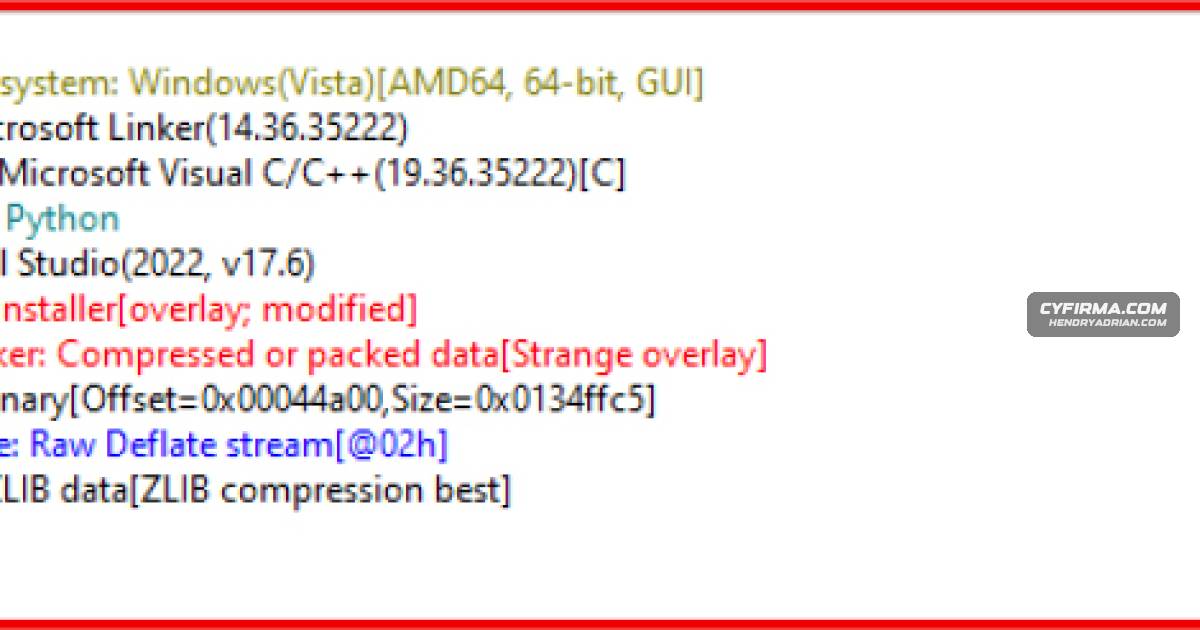
An analysis of the PyInstaller-packaged CharlieKirk Grabber describes a Windows infostealer that harvests browser and other credentials, stages and compresses data, then uploads it to GoFile and sends the link through Discord or Telegram.
Key points
- The analysis describes a Python infostealer packaged as a Windows executable with a configurable builder and concurrent collection modules.
- It reports theft of Chromium and Firefox credentials, cookies, autofill data and history, along with Discord tokens, Wi-Fi passwords, and game session artifacts.
- The malware terminates browser processes to access databases, gathers host and network details, and stages collected files in a temporary directory before ZIP compression.
- The report says the archive is uploaded to GoFile and the download link is sent to an operator through Discord or Telegram over HTTPS.
- Observed techniques include use of Windows utilities such as TASKKILL, NETSH and SYSTEMINFO, and an attempted Microsoft Defender exclusion when running with elevated privileges.
- The article reports a scheduled-task persistence attempt in its static analysis, but says persistence was not observed during runtime analysis.
- The analyzed sample reportedly had no anti-debugging, anti-virtualization or anti-sandbox techniques; the article recommends monitoring browser termination, credential-database access and suspicious archive creation.
Article Details
- Attack Vectors
- The infostealer forcibly terminates browser processes to access Chromium and Firefox credential databases, cookies, autofill data, and browsing history.
- It collects saved Wi-Fi passwords, Discord tokens, and Minecraft and Steam session data, and captures a screenshot.
- It profiles the infected system, stages collected data locally, compresses it into a ZIP archive, uploads it to GoFile, and sends the download link through a configured Discord webhook or Telegram bot.
- Static analysis describes an attempted scheduled task for logon persistence; the article separately reports that dynamic analysis found no persistence mechanism in the analyzed execution.
- Defensive Notes
- Monitor for repeated forced browser-process termination, access to browser SQLite databases followed by archive creation, and mass file access under the local temporary directory.
- Alert on execution of `netsh wlan show profile key=clear` and suspicious PowerShell or Python activity.
- Monitor outbound HTTPS connections to Discord webhook and Telegram Bot API endpoints and file-sharing platforms; block unsanctioned public file-hosting services where appropriate.
- Restrict browser credential storage and execution from temporary and user-writable directories; consider application control policies such as AppLocker or WDAC.
- Rotate potentially exposed credentials and revoke active sessions if compromise is suspected.
Indicators of compromise
| Type | Indicator | Context |
|---|---|---|
| MD5 | 598adf7491ff46f6b88d83841609b5cc | MD5 hash reported for the analyzed CharlieKirk Grabber executable. |
| SHA256 | f56afcdfd07386ecc127aa237c1a045332e4cc5822a9bcc77994d8882f074dd1 | SHA-256 hash reported for the analyzed CharlieKirk Grabber executable. |
MITRE ATT&CK
T1033 · System Owner/User DiscoveryThe malware collects the username and uses WHOAMI to identify the user context.T1053.005 · Scheduled TaskStatic analysis describes an attempt to copy the executable and create a scheduled task configured to run at user logon; the article says dynamic analysis did not observe persistence in the analyzed execution.T1059.001 · PowerShellIt invokes PowerShell through a subprocess to attempt to add a Microsoft Defender exclusion.T1059.003 · Windows Command ShellThe malware invokes CMD and other Windows command-line utilities through subprocess execution.T1070.004 · File DeletionThe article reports that the malware deletes the temporary staging directory and compressed archive after exfiltration.T1082 · System Information DiscoveryThe malware runs the Windows systeminfo command to collect operating-system and hardware details.T1113 · Screen CaptureThe malware captures a screenshot of the victim’s desktop and includes it in the staged data.T1528 · Steal Application Access TokenIt searches for Discord authentication tokens, decrypts them, and validates them against the Discord API.T1539 · Steal Web Session CookieIt extracts browser cookies from Chromium-based profiles as part of its browser-data theft.T1552.001 · Credentials In FilesIt retrieves plaintext saved Wi-Fi passwords by parsing the Key Content field from native Windows networking utility output.T1555.003 · Credentials from Web BrowsersIt extracts saved passwords and other browser data from Chromium-based browser profiles.T1560 · Archive Collected DataIt stages harvested data and compresses it into a ZIP archive before exfiltration.T1562.001 · Disable or Modify ToolsThe article reports that the malware attempts to add a path-based Microsoft Defender exclusion through PowerShell when running with administrative privileges.T1567.002 · Exfiltration to Cloud StorageIt uploads the compressed archive to GoFile and obtains a download link for the collected data.
Malware
Products
DiscordIt stages browser credentials, Discord tokens, WiâFi and game session artifacts, compresses them, uploads the archive to GoFile, and sends the download link via Discord or Telegram for attacker retrieval.Microsoft Defender Antimalware PlatformThe sample leverages livingâoffâtheâland binaries (TASKKILL, NETSH, SYSTEMINFO, PowerShell) and attempts to add Microsoft Defender exclusions when privileged.Microsoft WindowsCharlieKirk Grabber is a Python-based Windows infostealer that performs rapid “smash-and-grab” credential harvesting, system reconnaissance, and immediate exfiltration using legitimate Windows utilities andTelegramIt stages browser credentials, Discord tokens, WiâFi and game session artifacts, compresses them, uploads the archive to GoFile, and sends the download link via Discord or Telegram for attacker retrieval.