
Unauthenticated Codex App-Server Exposure Can Enable Remote Command Execution
Summary
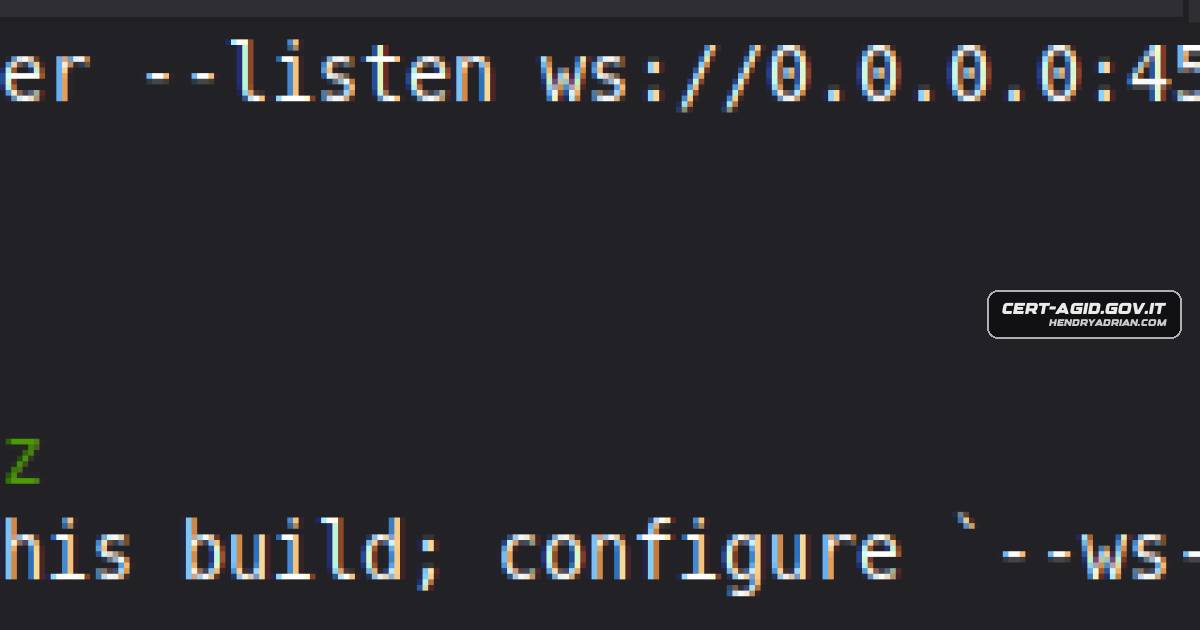
The article reports that binding OpenAI’s Codex app-server to 0.0.0.0 without authentication lets remote clients invoke command/exec and run commands. It recommends avoiding public binding and enabling --ws-auth.
Key points
- Codex app-server exposes a JSON-RPC control interface over WebSocket, including the command/exec method.
- The article reports that binding the server to 0.0.0.0 without authentication allows remote clients to connect and access its APIs.
- Tests described in the article invoked command/exec and returned output from executed commands, including nmap.
- The documented sandboxing applies to executed processes, not to access control for the exposed server interface.
- Runtime warnings about network exposure do not technically prevent starting a non-local listener without authentication.
- Recommended mitigations include avoiding public-interface binding, restricting use to trusted contexts, using protected channels for remote access, and enabling --ws-auth.
Article Details
- Vulnerability Types
- Unauthenticated remote command execution
- Network-exposed control interface without enforced authentication
- Severity
- High risk, as characterized by the article for unauthenticated network exposure
- Exploitation Status
- unknown
- Exploit Availability
- unknown
- Patch Status
- unknown
- Workarounds
- Restrict use to local or trusted contexts and avoid binding to public interfaces.
- Enable authentication with --ws-auth when the service is exposed in a network.
- Use protected channels for remote access.