
LayerX Report Warns AI Browser Extensions Create an Enterprise Security Blind Spot
Summary
A LayerX report says AI browser extensions are widely used, often have elevated permissions, and can evade traditional enterprise monitoring. It recommends inventorying extensions and continuously reviewing their behavior and permissions.
Key points
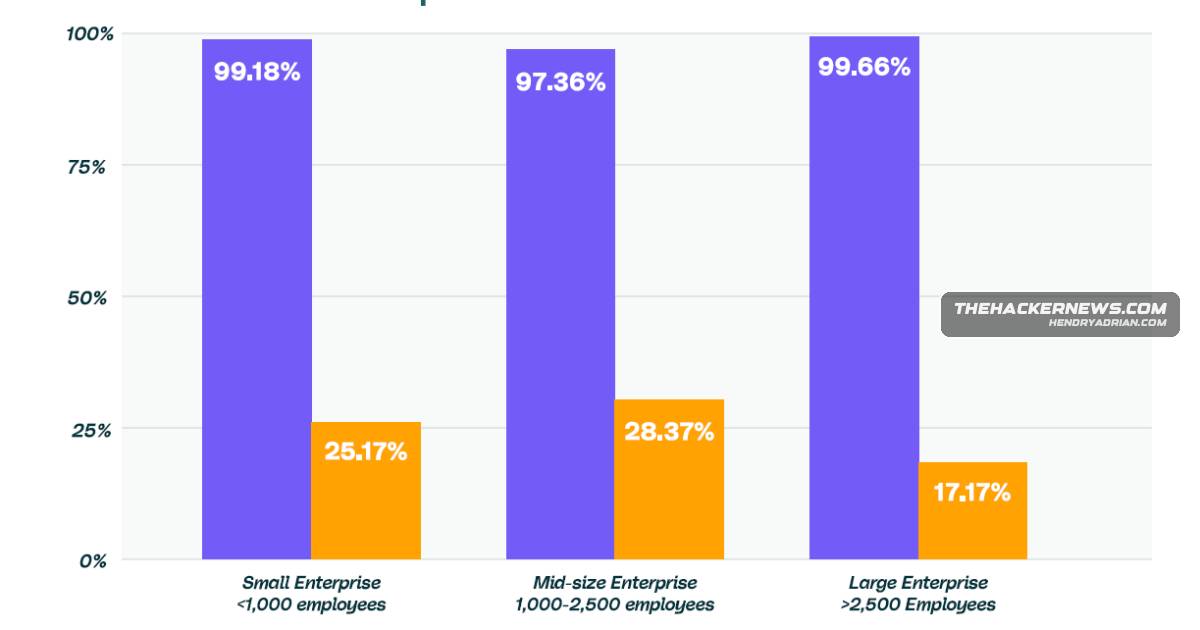
- The report says 99% of enterprise users run at least one browser extension, and about one in six use an AI extension.
- LayerX reports AI extensions are 60% more likely than average extensions to have a CVE and three times more likely to access cookies.
- AI extensions are reported to be 2.5 times more likely to run remote scripts; the article also says they are nearly six times more likely to change permissions over time.
- The article says extensions can access browser page content, user inputs, and active sessions, while bypassing traditional DLP and SaaS logging.
- LayerX reports that more than 60% of users have at least one AI extension whose permissions changed in the past year.
- The report recommends organization-wide extension inventories, stricter controls for AI extensions, ongoing behavior and permission reviews, and trust criteria such as maintenance history and privacy policies.
Article Details
- Publisher
- LayerX
- Scope
- Enterprise browser extensions, with emphasis on AI extensions, their permissions, visibility, and governance.
- Key Statistics
- The report states that 99% of enterprise users run at least one browser extension.
- More than one-quarter of enterprise users have over 10 extensions installed.
- About one in six enterprise users already use at least one AI extension.
- The report says AI extensions are 60% more likely than extensions on average to have a CVE.
- AI extensions are reported to be nearly six times more likely to change permissions over time.
- Recommendations
- Audit extensions organization-wide across browsers, users, and managed and unmanaged endpoints.
- Apply stricter governance and targeted security controls to AI extensions.
- Continuously assess extension behavior, permissions, and changes over time rather than relying only on static approvals.
- Set minimum trust and transparency criteria, including install counts, privacy policies, and maintenance history.