
FBI, CISA warn of attacks targeting industrial refrigeration systems
Summary
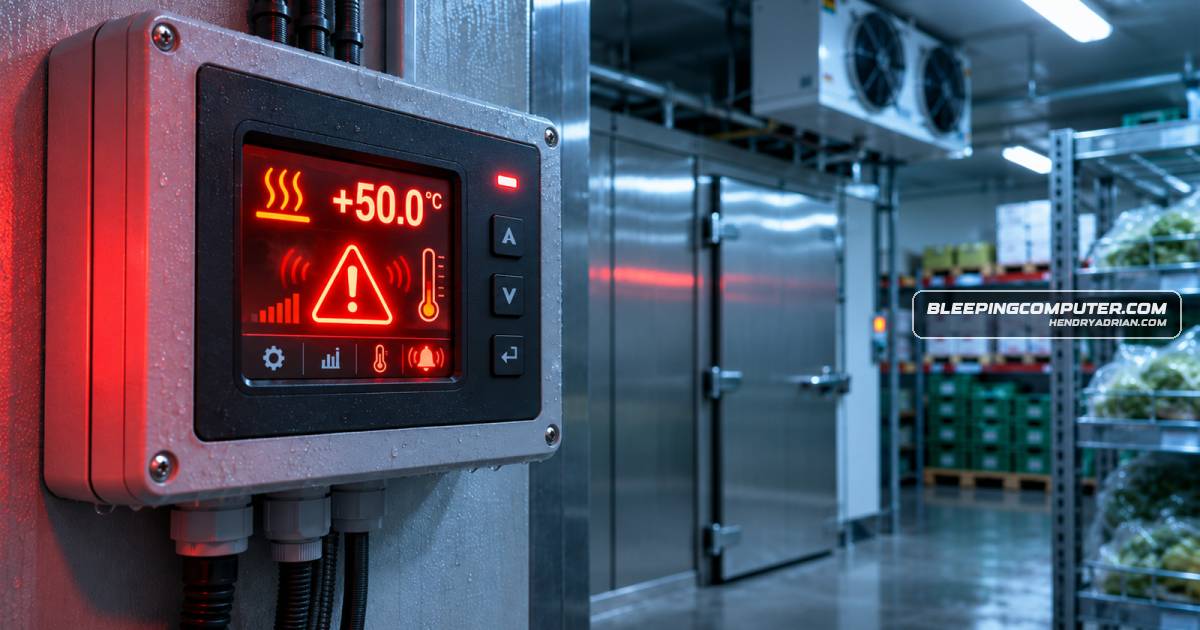
The FBI, CISA and other agencies warn that attackers are targeting internet-accessible or unpatched refrigeration controllers. They recommend removing controllers from the public internet, securing remote access, applying updates and isolating operational technology.
Key points
- A joint agency advisory says attackers target unpatched or internet-accessible electronic temperature controllers and commercial refrigeration management systems.
- The advisory describes possible exploitation of authentication bypasses, arbitrary code injection flaws and weak configurations to alter temperature settings or force heating and defrost cycles.
- Agencies warn that attacks could spoil inventory, damage equipment, create fire hazards and obscure temperature problems.
- An October attack reportedly affected an estimated 250 to 350 French supermarkets; a November wave reportedly affected more than 115 stores across six European countries.
- The French Blood Establishment confirmed that an incident affecting a refrigeration equipment provider altered temperature and defrost settings at three blood-storage facilities.
- Recommended safeguards include removing controllers from the public internet, securing remote access, changing default passwords, applying available updates and isolating operational technology from business networks.
Article Details
- Event Type
- Joint cybersecurity warning about active attacks targeting industrial refrigeration and cold-chain monitoring systems.
- Impact
- The agencies warn that attackers may alter temperature and defrost settings or reduce temperature visibility, potentially causing food or blood-product spoilage, equipment damage, fire hazards, and unsafe storage conditions. The article reports compromised controllers at an estimated 250 to 350 French supermarkets and incidents affecting more than 115 stores across six European countries. The French Blood Establishment confirmed altered settings at three blood-storage facilities.
People
Industries
Healthcare(DOT), urging critical infrastructure operators to secure vulnerable refrigeration controllers used in healthcare, food production, chemical facilities, and transportation.TransportationDepartments of Health and Human Services (HHS), Agriculture (USDA), and Transportation (DOT), urging critical infrastructure operators to secure vulnerable refrigeration controllers used in healthcare, food production,