
How Threat Intelligence Can Improve CTEM Prioritization and Validation
Summary
The article explains how structured threat intelligence can help organizations prioritize CTEM exposures by asset criticality, exploitability, and adversary relevance, then validate controls with threat-aligned simulations.
Key points
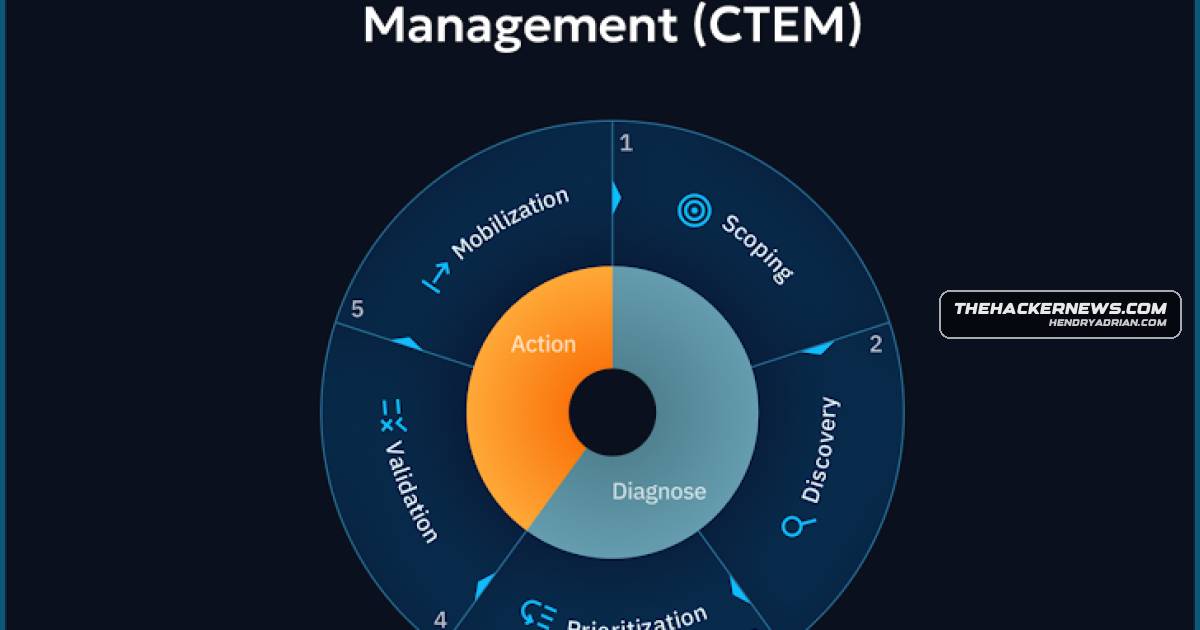
- The article describes CTEM as a continuous loop of scoping, discovery, prioritization, validation, and mobilization.
- It recommends prioritizing exposures using asset criticality, exploitability, and the relevance of adversaries and their techniques.
- Priority Intelligence Requirements (PIRs) can structure intelligence needs and keep prioritization grounded in current threats.
- The article describes using OpenCTI to identify relevant actors, techniques, and vulnerabilities, then passing that context to OpenAEV for adversary-aligned simulations.
- Repeated simulations can reveal control gaps, such as missed EDR detections or SIEM alerts, and help teams check whether remediation worked.
Article Details
- Topic
- Using structured threat intelligence with OpenCTI and OpenAEV to prioritize and validate exposures in Continuous Threat Exposure Management (CTEM).
Vendors
Products
eXtended Threat Management (XTM) PlatformIntegrating OpenCTI and OpenAEV within Filigran’s XTM enables intelligence-driven prioritization, continuous adversary-aligned validation, and evidence-based remediation to close the gap between knowing about threatsOpenAEVIntegrating OpenCTI and OpenAEV within Filigran’s XTM enables intelligence-driven prioritization, continuous adversary-aligned validation, and evidence-based remediation to close the gap between knowing about threatsOpenCTIIntegrating OpenCTI and OpenAEV within Filigran’s XTM enables intelligence-driven prioritization, continuous adversary-aligned validation, and evidence-based remediation to close the gap between knowing about threatsOpenGRCOpenGRC (forthcoming): oversees compliance assessments and tracks dynamic risk metrics to manage investments based on individual threat profile and security capabilities.