
Microsoft Details Detection Strategies for Jasper Sleet’s Fake IT Worker Campaign
Summary
Microsoft describes how North Korea-aligned Jasper Sleet uses AI-assisted fake identities to seek remote IT roles, and recommends correlating HR, communications, and onboarding telemetry to detect suspicious activity.
Key points
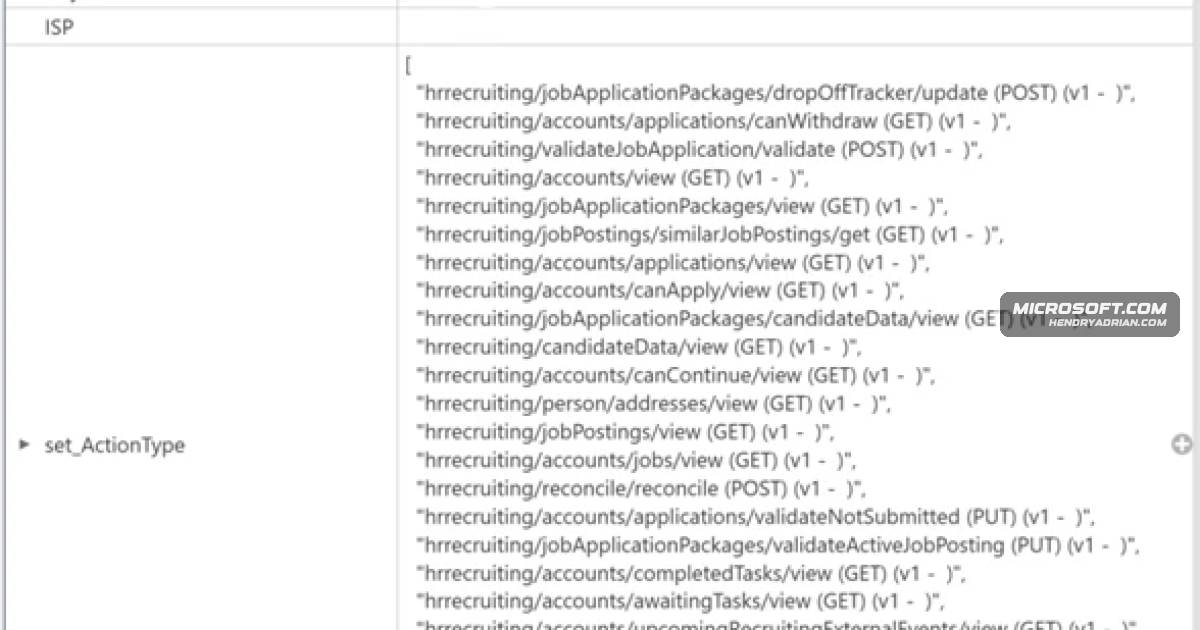
- Microsoft observed Jasper Sleet accessing Workday Recruiting Web Service endpoints from known actor infrastructure and multiple external accounts in repeating patterns.
- The actor uses generative AI to analyze job postings and create tailored personas for applications to remote IT roles.
- Microsoft says actors may communicate with hiring teams through email and meeting platforms, then use legitimate accounts created during onboarding.
- Observed post-hire activity includes payroll-detail changes and access to Teams, SharePoint, OneDrive, and Exchange Online; Microsoft also reports impossible-travel alerts for some new hires.
- Microsoft recommends enabling Defender for Cloud Apps connectors and correlating Workday activity with threat intelligence and signals from communications and onboarding.
- The article provides Defender hunting queries for Workday API access, interview communications, document signing, and new-hire payroll activity.
Article Details
- Defense Focus
- Detect and investigate fraudulent remote IT applicants and suspicious activity during recruitment, onboarding, and new-hire access.
- Detection Methods
- Identify repeated, patterned calls to Workday hrrecruiting endpoints from multiple external accounts, and compare associated IP addresses and account identifiers with available threat intelligence.
- Review interview-related email and collaboration activity involving external accounts, suspicious IP addresses, or suspicious email addresses.
- Monitor DocuSign hiring-document activity, including envelope signing by external users from suspicious sources.
- Investigate new-hire Workday sign-ins and payroll, bank, payment, or tax changes originating from known or suspected malicious infrastructure.
- Review alerts for new-hire access from different locations, anonymous proxies, and impossible travel, especially during the first months of onboarding.
- Data Sources
- Workday Recruiting Web Service API activity and external-account metadata
- Workday onboarding, sign-in, and payroll-change events
- CloudAppEvents
- EmailEvents
- Microsoft 365 and other SaaS access alerts, including impossible travel alerts
- Rule Types
- Kusto Query Language (KQL) hunting queries over CloudAppEvents and EmailEvents
- Defensive Actions
- Enable Microsoft Defender for Cloud Apps connectors for Workday and, where used, Zoom, Cisco Webex, and DocuSign.
- Correlate Workday telemetry with available threat intelligence and investigate external and newly hired internal accounts linked to suspicious infrastructure.
- Monitor behavioral anomalies across recruitment, onboarding, payroll changes, and access to organizational data.
- Train employees to recognize suspicious behavior during hiring and after new hires join.
MITRE ATT&CK
T1078 · Valid AccountsAfter hiring and onboarding, the actor used the legitimate Workday account created for the new hire to sign in and access organizational resources.T1098 · Account ManipulationMicrosoft observed payroll details being set up or changed in a newly created Workday profile from infrastructure associated with Jasper Sleet.T1583 · Acquire InfrastructureMicrosoft reports that Jasper Sleet used known external infrastructure to access Workday Recruiting Web Service endpoints exposed through external career sites.T1589 · Gather Victim Identity InformationThe article describes Jasper Sleet using generative AI to analyze job postings and extract role-specific language, skills, certifications, and tooling expectations for fake personas.
Threat Actors
Vendors
MicrosoftMicrosoft observed the North Korea-aligned threat actor Jasper Sleet using stolen or fabricated identities and generative AI to pose as legitimate remote IT hires, abusing Workday and external career-site APIs toWorkdayusing stolen or fabricated identities and generative AI to pose as legitimate remote IT hires, abusing Workday and external career-site APIs to infiltrate organizations.
Products
Cisco WebExDuring recruiting, threat actors communicate via email, Microsoft Teams, Zoom, Cisco Webex, and use DocuSign for hiring documentation to appear legitimate.DocuSignDuring recruiting, threat actors communicate via email, Microsoft Teams, Zoom, Cisco Webex, and use DocuSign for hiring documentation to appear legitimate.Exchange OnlineThe actor leverages external infrastructure and legitimate onboarding workflows to gain valid accounts, set up payroll, and access internal SaaS like Teams, SharePoint, OneDrive, and Exchange Online.Microsoft Defender for Cloud AppsMicrosoft recommends enabling Defender for Cloud Apps connectors, correlating Workday telemetry with threat intelligence, and monitoring behavioral anomalies across recruitment and onboarding.Microsoft Defender XDRThese recommendations draw from established Defender blog guidance patterns and align with protections offered across Microsoft Defender XDR.Microsoft OneDriveThe actor leverages external infrastructure and legitimate onboarding workflows to gain valid accounts, set up payroll, and access internal SaaS like Teams, SharePoint, OneDrive, and Exchange Online.Microsoft Security CopilotCustomers with provisioned access can also use Microsoft Security Copilot in Microsoft Defender to investigate and respond to incidents, hunt for threats, and protect their organization with relevant threat intelligence.Microsoft SharePointThe actor leverages external infrastructure and legitimate onboarding workflows to gain valid accounts, set up payroll, and access internal SaaS like Teams, SharePoint, OneDrive, and Exchange Online.Microsoft TeamsDuring recruiting, threat actors communicate via email, Microsoft Teams, Zoom, Cisco Webex, and use DocuSign for hiring documentation to appear legitimate.ZoomDuring recruiting, threat actors communicate via email, Microsoft Teams, Zoom, Cisco Webex, and use DocuSign for hiring documentation to appear legitimate.