
Democratic Control of Congress Puts CISA and Cyber Policy in Focus
Summary
Lawmakers expect a Democratic-led Congress to focus on restoring CISA capacity, renewing CISA 2015, funding state and local cyber grants, and overseeing AI security and federal system access.
Key points
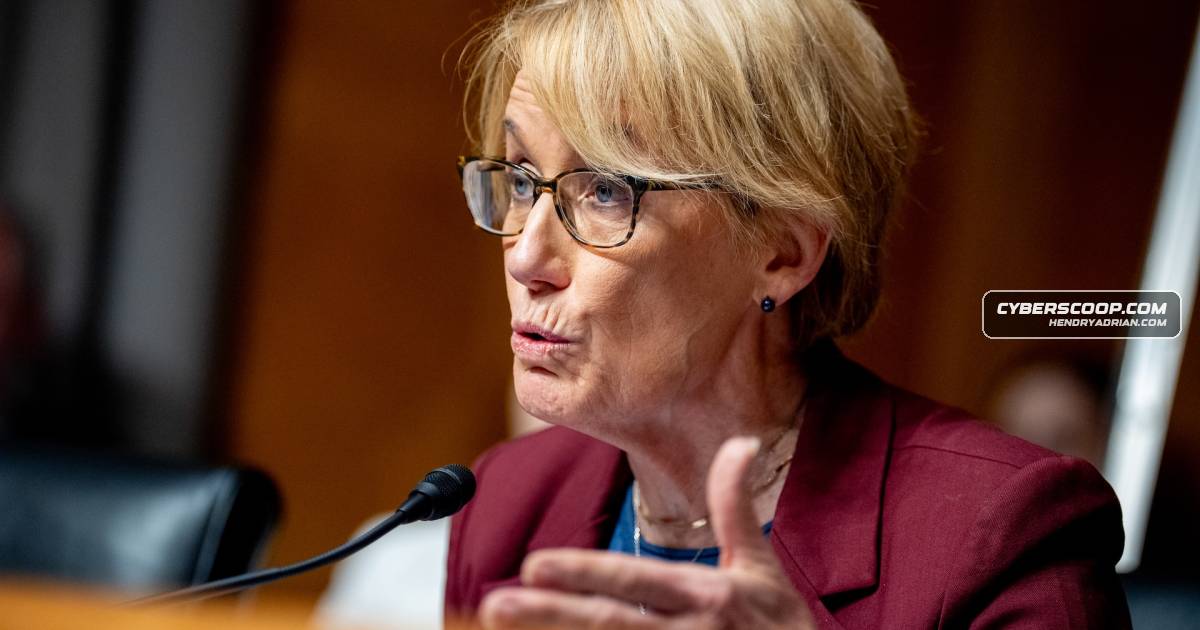
- Maggie Hassan is expected to lead the Senate Homeland Security and Governmental Affairs Committee and has called for reversing CISA cuts and addressing AI security risks.
- Bennie Thompson is poised to chair the House Homeland Security Committee again; he says priorities include speeding CISA’s staffing effort, extending state and local cyber grants, and restoring cross-sector coordination.
- CISA 2015 is set to expire Dec. 11; lawmakers may pursue long-term reauthorization or a temporary extension through a continuing resolution or other legislation.
- The Senate version of the fiscal 2027 National Defense Authorization Act includes a proposed authorization for contractor-operated offensive cyber operations and a requirement for AI bills of materials for AI products sold to the Defense Department.
- Democrats are expected to scrutinize cuts to DHS and CISA, the expired State and Local Cybersecurity Grants Program, and the integrity of federal systems accessed by DOGE.
- The article also identifies Section 702 surveillance authority and potential changes to AI oversight as issues to watch.
Article Details
- Event Type
- U.S. congressional leadership transition and cybersecurity policy priorities following Democrats’ election victory.
- Impact
- Democrats are expected to prioritize CISA staffing and funding, renewal of the Cybersecurity Information Sharing Act of 2015, cybersecurity grants for state and local governments, and oversight of federal cybersecurity changes. The article also identifies possible attention to AI security, water-sector support, post-quantum cryptography, government IT modernization, and oversight of privileged access to federal systems. These are stated plans or prospective priorities, not enacted outcomes.
People
Andrew GarbarinoIdentified as moving to the minority on the House Homeland Security panel and as having collaborated with Democrats on cybersecurity issues.Bennie ThompsonExpected to return as chair of the House Homeland Security Committee; he described priorities including CISA restaffing, support for defenders and critical infrastructure, and secure AI development.Craig AlbrightBusiness Software Alliance senior vice president for U.S. government relations; he commented on how frontier AI models uncovering vulnerabilities could shape discussion of AI and cybersecurity.Delia RamirezExpected to chair the House Homeland Security Committee’s cybersecurity subcommittee.Henry YoungBusiness Software Alliance policy director; he described renewal of the Cybersecurity Information Sharing Act of 2015 as a prerequisite to advancing other cybersecurity priorities.James LankfordIdentified as a possible successor to Rand Paul as the top Republican on the Senate Homeland Security and Governmental Affairs Committee; an industry source described him as supportive of the Cybersecurity Information Sharing Act of 2015.Jim HimesIdentified as the incoming House Intelligence chairman and as having previously supported renewal of Section 702 surveillance authority.Maggie HassanIdentified as in line to chair the Senate Homeland Security and Governmental Affairs Committee; she said the committee should address cybersecurity and AI security risks.Mark WarnerIdentified as the incoming leader of the Senate Intelligence Committee and as a lawmaker who has previously supported renewal of Section 702 surveillance authority.Michael GarciaA former government cyber official and cybersecurity-practice vice president at Monument Advocacy, he discussed prospects for extending the Cybersecurity Information Sharing Act of 2015 and possible legislative vehicles.Nicholas LeisersonSenior vice president for policy at the Institute for Security and Technology; he discussed cybersecurity provisions in the Senate defense bill and anticipated congressional oversight and AI policy questions.Rand PaulThe article identifies him as the outgoing Senate Homeland Security and Governmental Affairs Committee chairman and says he has been an obstacle to reauthorization of the Cybersecurity Information Sharing Act of 2015.Vince FongExpected to become the top Republican on the House Homeland Security Committee’s cybersecurity subcommittee; the article notes his history of bipartisanship.
Countries
Industries
DefensePossible vehicles for CISA 2015 to hitch a ride include an omnibus funding bill or the annual defense policy bill.Government“Our government’s number one job is to keep people safe, and the Senate Homeland Security and Governmental Affairs Committee must work to ensure that our country remains safe, secure and free from all kinds of threats,”waterState and Local Cybersecurity Grant Program and improving support of under-resourced sectors, especially water,” he continued.