
Why AI Is Exposing the Browser Security Visibility Gap
Summary
The article argues that browser-based work obscures user and agent actions from traditional security tools. A ClickFix example illustrates the gap, and the author advocates browser-level visibility, governance, and response.
Key points
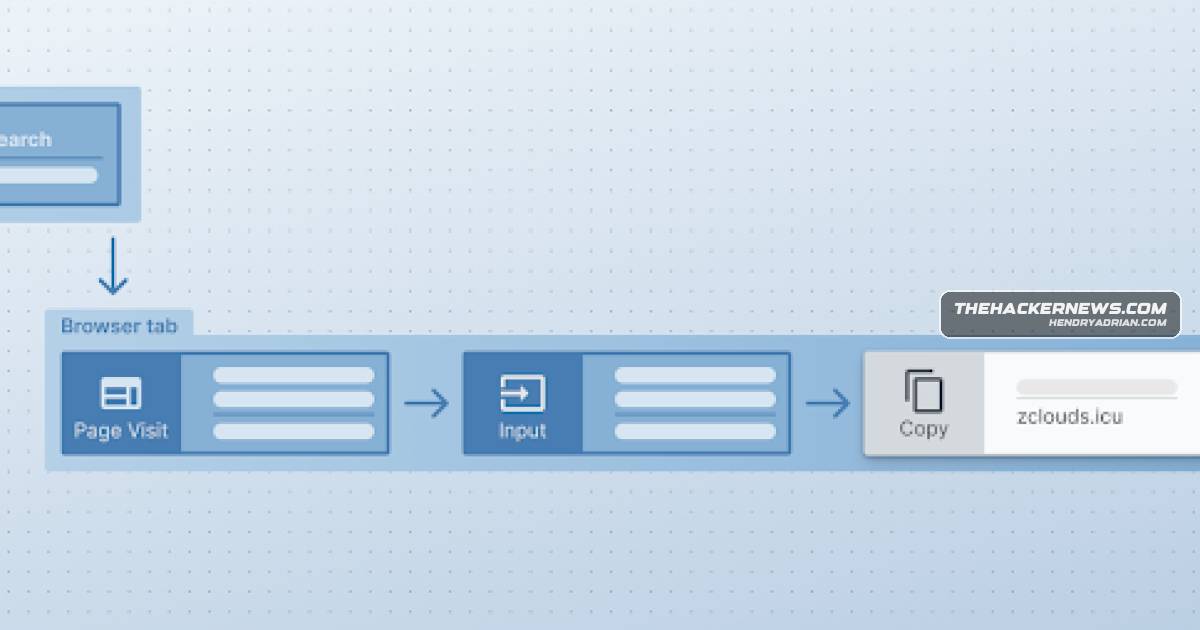
- An illustrative ClickFix scenario describes a fake CAPTCHA prompting a user to paste a clipboard-copied shell script through Windows+R.
- The article says network, email, endpoint, and identity controls observe their own layers but can miss the context of activity inside browser sessions.
- Extensions, pasted scripts, and AI agents may act within an authenticated session using the same tokens and logs as the user, complicating attribution.
- The author argues AI amplifies the visibility problem by weakening the assumption that a human is making decisions in a session.
- The proposed direction is to bring detection, governance, and response into the browser, where page context and user or agent actions can be observed together.
Article Details
- Topic
- Browser security blind spots, user attribution, and ClickFix attacks