
Malicious npm Package and Android Apps Found Stealing OpenAI Codex Tokens
Summary
Researchers say the codexui-android npm package and two BrutalStrike-linked Android apps stole Codex tokens and sent them to sentry[.]anyclaw[.]store. Separately, Google elevated a finding about delayed API-key revocation to a P0 bug.
Key points
- Researchers found codexui-android extracting access, refresh and ID tokens from ~/.codex/auth.json and sending them to sentry[.]anyclaw[.]store.
- The package is presented as a remote web UI for OpenAI Codex and had more than 29,000 weekly downloads.
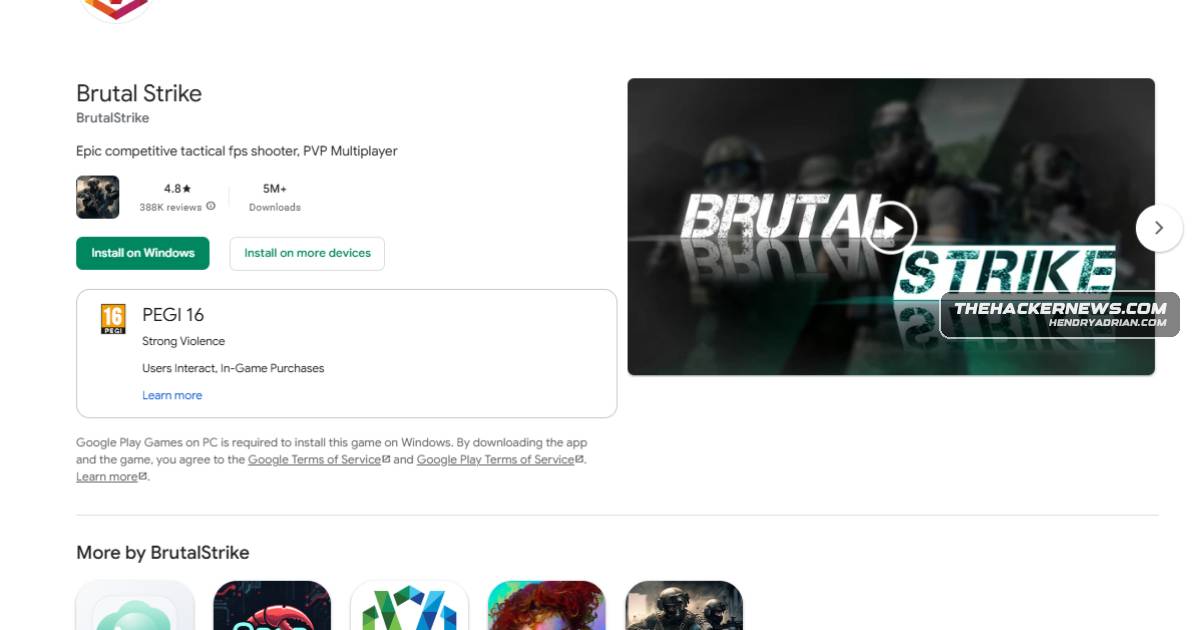
- Aikido researchers found the same token-theft chain in two Android apps linked to BrutalStrike, with reported downloads exceeding 50,000 and 10,000.
- The package author said they were investigating and removing affected functionality, and claimed no credential data was shared with third parties.
- Researchers reported deleted Google API keys can remain usable for up to 23 minutes; Google subsequently treated the issue as a P0 bug.
- Researchers said the delayed revocation window could allow access to data and APIs, including Google Gemini, while credentials appear revoked.
Article Details
- Event Type
- Malicious npm supply-chain package and Android apps stealing OpenAI Codex credentials
- Impact
- Researchers reported that codexui-android and two Android apps linked to BrutalStrike exfiltrated Codex authentication tokens. A stolen refresh token could allow persistent account impersonation, but the article does not report a confirmed number of compromised accounts. The npm package had over 29,000 weekly downloads; the Android apps had over 50,000 and 10,000 downloads. Separately, researchers found deleted Google API keys could remain usable for up to 23 minutes, with a median revocation window of about 16 minutes, potentially exposing Gemini-related data. Google subsequently classified that issue as a P0 bug.
MITRE ATT&CK
People
Vendors
GoogleThe same exfiltration chain was also found in Android apps linked to BrutalStrike, while a separate finding showed deleted Google API keys can remain usable long enough to expose data through Google Gemini.OpenAIResearchers uncovered a malicious supply chain campaign hiding in the npm package codexui-android, which secretly steals OpenAI Codex authentication tokens from developers and sends them to sentry.anyclaw[.]store.
Products
CodexResearchers uncovered a malicious supply chain campaign hiding in the npm package codexui-android, which secretly steals OpenAI Codex authentication tokens from developers and sends them to sentry.anyclaw[.]store.codexui-androidResearchers uncovered a malicious supply chain campaign hiding in the npm package codexui-android, which secretly steals OpenAI Codex authentication tokens from developers and sends them to sentry.anyclaw[.]store.Google GeminiThe same exfiltration chain was also found in Android apps linked to BrutalStrike, while a separate finding showed deleted Google API keys can remain usable long enough to expose data through Google Gemini.OpenAI CodexResearchers uncovered a malicious supply chain campaign hiding in the npm package codexui-android, which secretly steals OpenAI Codex authentication tokens from developers and sends them to sentry.anyclaw[.]store.OpenClaw Codex Claude AI AgentAikido said it observed an Android application named OpenClaw Codex Claude AI Agent (package name: “gptos.intelligence.assistant”) that runs the npm package within its PRoot sandbox and sends the Codex credentials to