Memory-Safe Languages Gain Adoption, but Legacy Code and Other Flaws Remain
Summary
Memory-safe languages are gaining industry adoption as a way to reduce memory-related vulnerabilities. AI may help migrate legacy code, but rewrites need human review, and memory safety does not prevent other classes of flaws.
Key points
- CISA and NSA guidance cited estimates that memory-safety issues accounted for 66–71% of CVEs in two Apple operating systems and 75% of CVEs used in observed in-the-wild exploits.
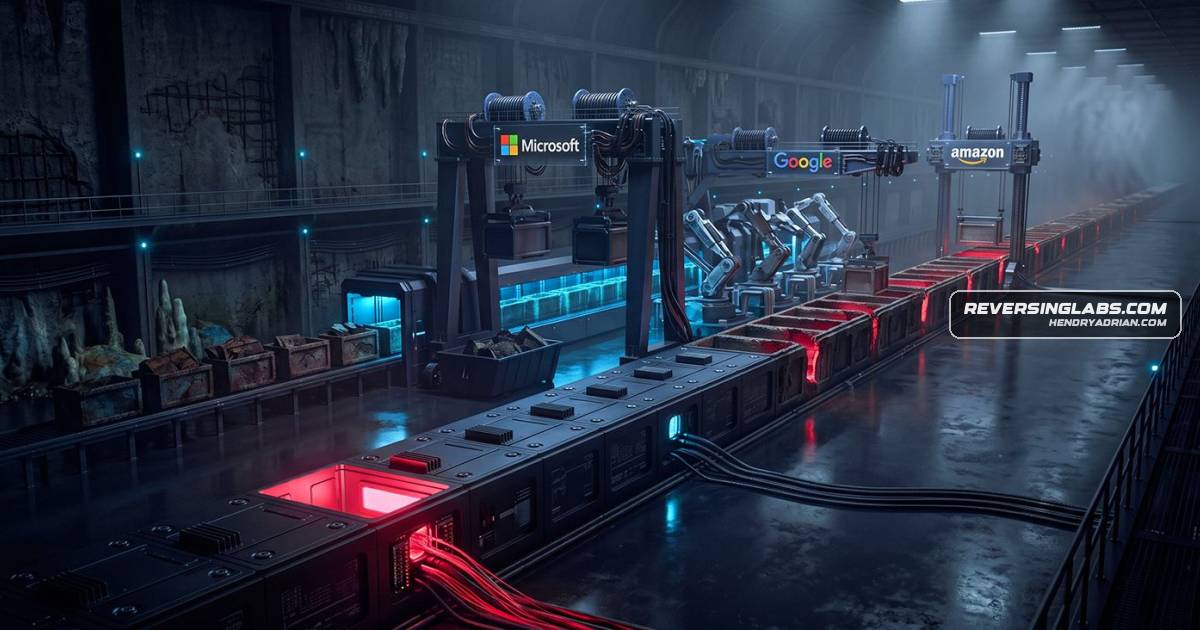
- Microsoft, Google, Amazon, Cloudflare and parts of the Linux ecosystem are adopting Rust or other memory-safe approaches in production.
- Experts say memory-safe languages are most practical for new development and selected components; replacing large, proven C and C++ systems wholesale is difficult and risky.
- AI-assisted migration, including Google's Gemini-assisted Rust rewrite of giflib, could lower the cost of modernizing legacy code.
- The initial AI-generated interface in the giflib rewrite contained memory-handling defects, requiring expert review before release.
- Memory-safe languages can reduce memory-corruption risks but do not prevent logic errors, information leaks or other software flaws.
Article Details
- Event Type
- Industry adoption of memory-safe programming languages, including Rust, in production systems and AI-assisted migration of legacy code.
- Impact
- The article reports growing adoption intended to reduce memory-safety vulnerabilities, while noting that legacy C/C++ code will persist and memory-safe languages do not prevent logic errors or other flaw classes. The Gemini-assisted giflib rewrite reportedly avoided a memory-corruption flaw in the original C library, but its initial AI-generated interface had memory-handling defects that required human review.
People
Boris CipotSecurity engineer at Black Duck Software who commented on industry adoption of memory-safe languages.David SvobodaSoftware security engineer at the CERT Division of the Software Engineering Institute at Carnegie Mellon University who discussed limitations of memory-safe languages.Dmitry PolyakovskyLead principal platform software engineer at Oracle who discussed Rust's use alongside legacy C/C++ code.Jason SorokoSenior fellow at Sectigo who discussed migration challenges and Google's Gemini-assisted giflib rewrite.Jeff WilliamsChief technology officer and co-founder of Contrast Security who discussed adoption challenges and the limits of memory safety.John BambenekPresident of Bambenek Consulting who commented on memory-safe libraries and AI-assisted vulnerability discovery.John StrandOwner of Black Hills Information Security who discussed Rust's incorporation into the Linux kernel.
Vendors
Bambenek ConsultingJohn Bambenek, president of Bambenek Consulting, said the benefit extends beyond the systems that migrate outright.Black Duck SoftwareBoris Cipot, a security engineer at Black Duck Software, said awareness about memory safety is no longer the problem. We’ve stopped debating whether memory-related flaws are among the largest sources of securityContrast SecurityNot everyone expects a quick transition to MSLs. Jeff Williams, chief technology officer and co-founder of Contrast Security, foresees stubborn inertia.OracleDmitry Polyakovsky, a lead principal platform software engineer at Oracle, concedes that point but nonetheless expects Rust to continue to make inroads even as legacy C and C++ code remains in place. Sectigois only one factor slowing the shift toward MSLs such as Rust, said Jason Soroko, a senior fellow at Sectigo. Migration is gradual, he said, because teams must learn new tools, preserve compatibility, and verify
Products
CAdoption faces real headwinds: legacy C/C++ is too vast to rewrite wholesale, and experts say MSLs work best for new code, not replacing proven systems.C++Adoption faces real headwinds: legacy C/C++ is too vast to rewrite wholesale, and experts say MSLs work best for new code, not replacing proven systems.GeminiAI is accelerating migration (Google's Gemini-assisted Rust rewrite of giflib is an early proof point), but human review is still required — the AI-generated code itself had defects.giflibAI is accelerating migration (Google's Gemini-assisted Rust rewrite of giflib is an early proof point), but human review is still required — the AI-generated code itself had defects.Javabut Williams was careful to put it in context. The shift away from non-memory-safe languages started when Java was released in the 1990s, he pointed out, and three decades later, C and C++ remain everywhere.Linux kernel“When you started seeing Rust incorporated into the Linux kernel, that was kind of the opening shot in the race to see this become more mainstream. And I think we’re just going to see it become more mainstream movingRustAI is accelerating migration (Google's Gemini-assisted Rust rewrite of giflib is an early proof point), but human review is still required — the AI-generated code itself had defects.