
OpenSourceMalware Show Highlights Brotli Flaw, LiteLLM Compromise and MALFEX
Summary
The episode covers a Brotli decoder flaw affecting vendored copies beyond Node, LiteLLM’s October malicious release tied to an unrevoked leaked admin key, MALFEX npm payloads, and DPRK fake-font extensions.
Key points
- Brotli’s vulnerable C decoder may be copied directly into projects such as Rust, PHP, and Python, making affected copies difficult to find in package manifests.
- The speakers recommend searching source trees and container images for Brotli copies; they describe checking decode.c and decode.h and looking for a string present in the fixed copy.
- LiteLLM’s postmortem attributed its October malicious version 1.107.0 release to an admin key committed to a public repository in May and not revoked; relaxed release approvals also helped the attacker push the release.
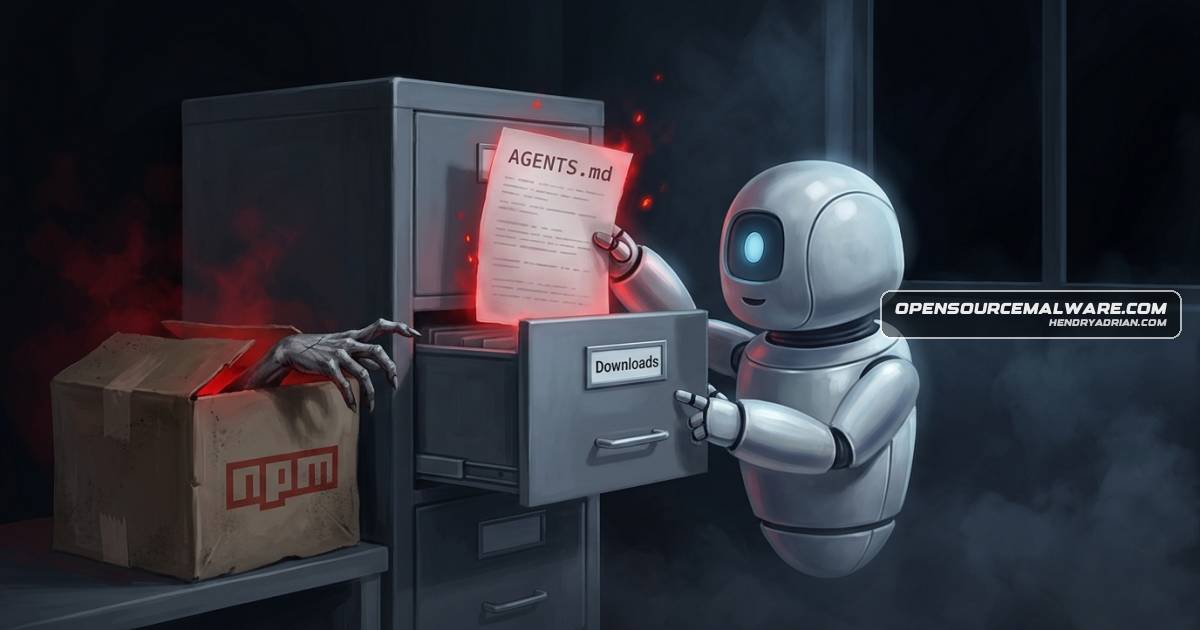
- A malicious AGENTS.md file in a developer’s Downloads folder tried to get an AI coding agent to install a package from the MALFEX npm campaign.
- MALFEX packages are described as small, without install scripts, and as hiding a payload in a file with a PNG header; the episode says the payload includes an Overlord RAT that uses Solana transactions to obtain a C2 address.
- The speakers report DPRK fake-font activity using TTF and OTF files, underscoring that file extensions alone are unreliable for identifying payloads.
Article Details
- Event Type
- Cybersecurity news roundup covering a LiteLLM software supply-chain compromise, the Brotli decoder vulnerability, and MALFEX malware delivery.
- Impact
- Attackers used an unrevoked LiteLLM admin key to control its deployment and release malicious version 1.107.0 after release controls had been relaxed; the linked postmortem is described as reporting GitHub token theft and release-pipeline hijacking. MALFEX packages are described as delivering Windows malware, including Overlord RAT, with payloads hidden in files bearing PNG headers. The Brotli flaw may be present in vendored copies across projects including PHP, Python, and Rust, making affected copies harder to inventory. The article also reports exploitation of PHP2Shell in the wild, but gives no CVE identifiers for it.
MITRE ATT&CK
T1195.001 · Compromise Software Dependencies and Development ToolsMALFEX distributes malicious npm packages that the article describes as carrying malware payloads.T1195.002 · Compromise Software Supply ChainAttackers reportedly redirected LiteLLM's deployer to a malicious repository and used the release process to publish malicious version 1.107.0.T1552.001 · Credentials In FilesA LiteLLM admin key was committed in a public repository and left unrevoked; attackers later used it to access the deployment.
CVE
People
Threat Actors
Malware
Vendors
Googlebug behind Node2Shell reaches far beyond Node, and it's been overshadowed by the hype around PHP2Shell. Google's Brotli C code is usually vendored into projects like Python, Rust and PHP instead of pulled in as aLiteLLMLiteLLM postmortem: LiteLLM's second compromise this year started with an admin key that was committed to a public repo in May and never revoked.
Products
BrotliBrotli vulnerability: The Brotli decoder bug behind Node2Shell reaches far beyond Node, and it's been overshadowed by the hype around PHP2Shell. Google's Brotli C code is usually vendored into projects like Python, RustGitHub(blog) Leaked LiteLLM Master Key Let Attackers Steal GitHub Tokens and Hijack Release PipelineLiteLLMLiteLLM postmortem: LiteLLM's second compromise this year started with an admin key that was committed to a public repo in May and never revoked.NodeBrotli vulnerability: The Brotli decoder bug behind Node2Shell reaches far beyond Node, and it's been overshadowed by the hype around PHP2Shell. Google's Brotli C code is usually vendored into projects like Python, RustnpmMALFEX campaign: A malicious AGENTS.md file in a developer's Downloads folder tried to get their AI coding agent to install a package from MALFEX, an npm campaign that has been running since 2023.PHPthe hype around PHP2Shell. Google's Brotli C code is usually vendored into projects like Python, Rust and PHP instead of pulled in as a dependency, so it won't show up in your package manifests. You have to hunt forPythonovershadowed by the hype around PHP2Shell. Google's Brotli C code is usually vendored into projects like Python, Rust and PHP instead of pulled in as a dependency, so it won't show up in your package manifests. YouRustby the hype around PHP2Shell. Google's Brotli C code is usually vendored into projects like Python, Rust and PHP instead of pulled in as a dependency, so it won't show up in your package manifests. You have toTrivythe way that they got breached the first time was related to the TeamPCP compromise that started with Trivy and, you know, cascaded like a true supply chain attack.