
How AI Could Reshape SOC Work and Create a New “Threat Operator” Role
Summary
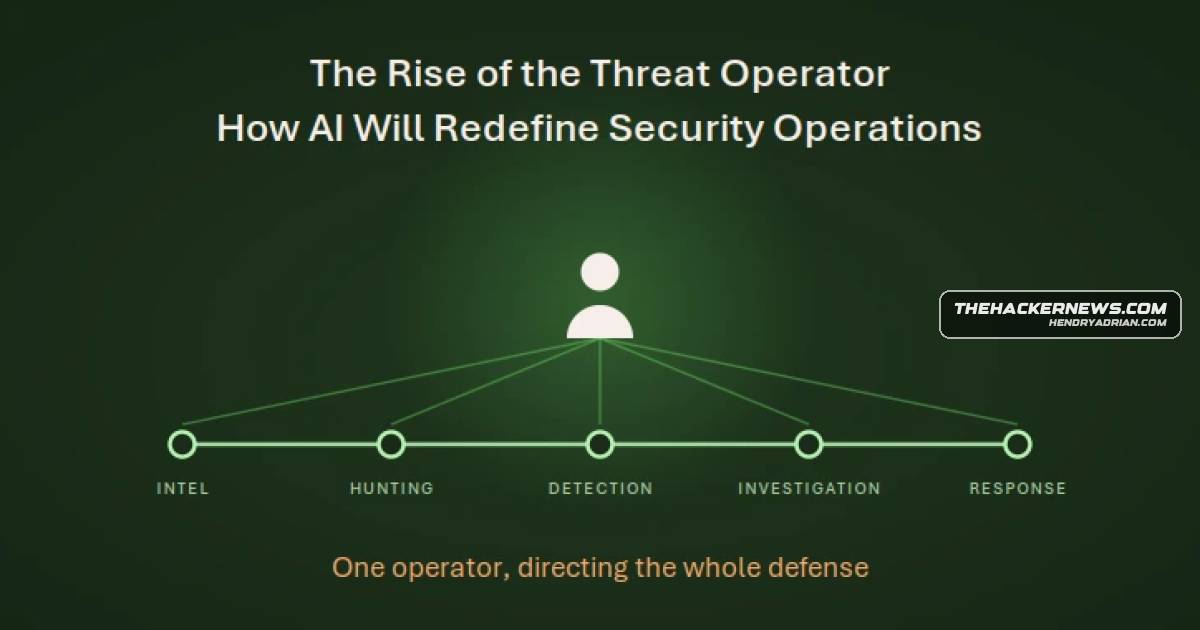
The article argues that AI could connect SOC workflows and shift analysts toward a “Threat Operator” role overseeing AI-driven defense. It recommends human oversight, structured training, clear autonomy limits and outcome-focused career development.
Key points
- The article proposes a “Threat Operator” role: a security professional who directs AI-driven operations, sets priorities and remains accountable for decisions.
- AI agents could connect threat intelligence, hunting, detection engineering, investigation and response across traditionally separate SOC workflows.
- Operators would provide business and system context, set autonomy and escalation boundaries, and assess whether AI-driven actions improve security.
- A hypothetical financial-institution example illustrates how operators might weigh a recommended server isolation against the risk of disrupting critical business processes.
- The article warns that AI may reduce the traditional alert-triage apprenticeship for junior analysts and recommends supervised experience, technical fundamentals and mentorship.
- It recommends defining human-approval requirements, validating AI-generated evidence and measuring outcomes such as closed detection gaps and improved threat coverage.
Article Details
- Topic
- The emerging AI-native Threat Operator role and its impact on security operations, analyst skills, and career development.