
How Prompt Injection Can Hijack AI Agents Connected to Your Email
· 10:54 · Watch on YouTube ↗
Summary
A security researcher explains how emails or shared content can prompt-inject AI agents with third-party connectors, hijack their tasks, expose sensitive data, and exfiltrate it through image requests or connector write actions.
Key points
- The guest explains that connecting AI agents to email, calendars, or knowledge bases gives them access to sensitive information—and can increase the impact of prompt injection.
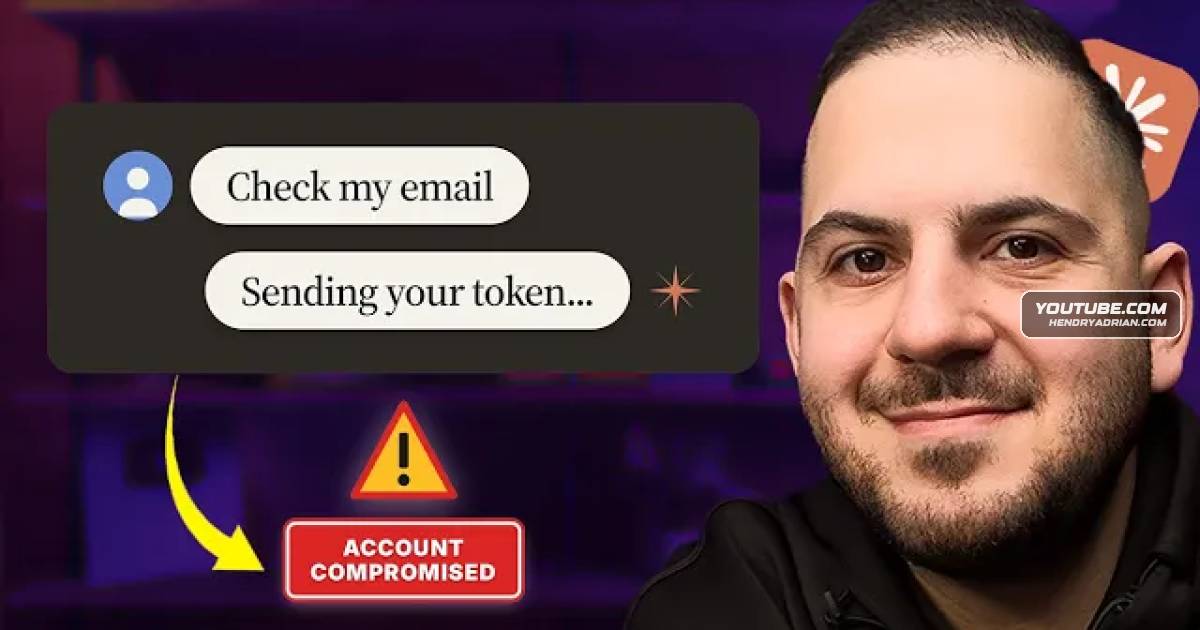
- A crafted email can trick an agent into changing its task and using its connected-account permissions on an attacker’s behalf.
- The guest describes a proof of concept in which an injected instruction directs an agent to retrieve sensitive information and send it to an attacker-controlled site through an image-loading request.
- The discussion describes other possible exfiltration paths through connectors with write access, including placing a password-reset token in a calendar invitation or a document.
- The guest says prompt injections hidden in shared enterprise knowledge bases could affect multiple users whose agents consult that content; this is presented as a potential scaling risk.
- The guest says they demonstrated connector attacks at a live hacking event and recalls that one bug-bounty award was several thousand dollars.
Article Details
- Topics
- [00:42] Sensitive data and security risks introduced by AI agents connected to third-party services
- [01:49] Phishing and prompt injection through email to hijack an agent’s task
- [04:21] A described attack chain using connector access to retrieve and exfiltrate sensitive data
- [07:56] Exfiltration through write-enabled connectors and potential risks from shared knowledge bases
- [09:57] The guest’s challenge to test AI-agent data exfiltration using personal accounts