
Researcher Details Nine-Year-Old MikroTik RouterOS Pre-Authentication RCE
· 50:50 · Watch on YouTube ↗
Summary
NiNi explains how crafted IPv6 router advertisements exploited a stack buffer overflow in MikroTik RouterOS and how a race condition affected exploit reliability. The vulnerability was fixed.
Key points
- The researcher identified CVE-2023-32154 in RouterOS code that constructs IPv6 router advertisements.
- Two crafted advertisements with large recursive DNS server lists could trigger a stack buffer overflow and enable pre-authentication code execution.
- The vulnerable code had existed since at least RouterOS v6, released in 2013, and was fixed approximately a year after discovery.
- The team found that a race condition between the router advertisement service and resolver affected exploit reliability; adjusting packet timing and the payload stabilized the exploit.
- The team chained the router exploit with a Canon printer exploit in a Pwn2Own contest and reported success in the SOHO Smashup category.
Article Details
- Topics
- [00:26] RouterOS research objectives and prior vulnerabilities
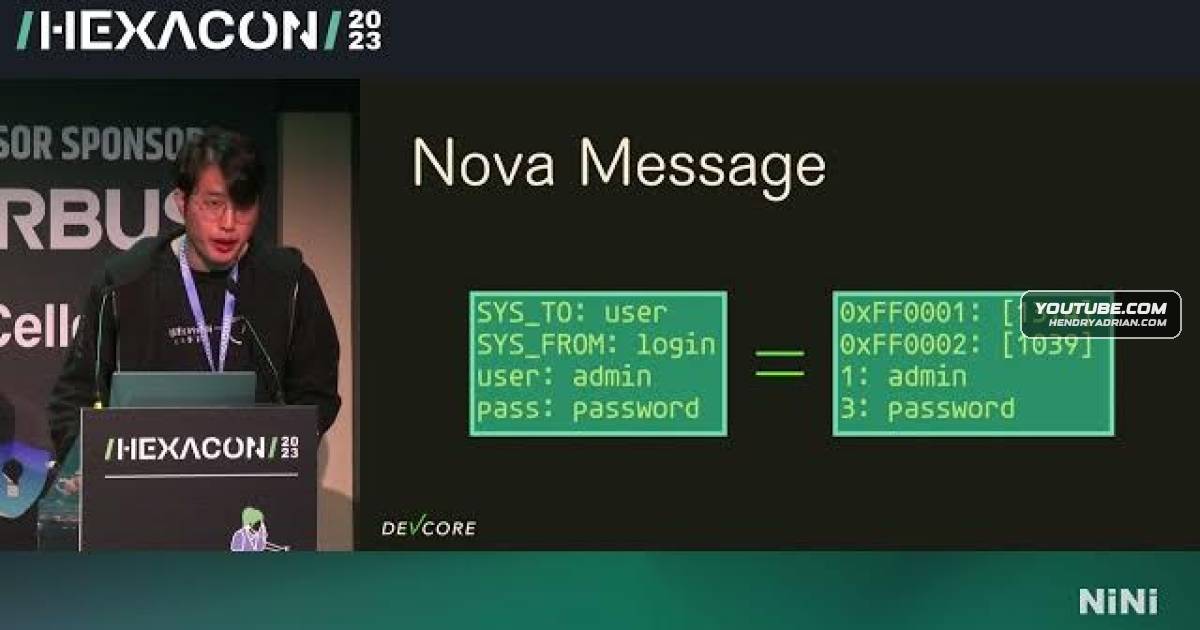
- [12:08] Nova message IPC and the Winbox attack surface
- [21:16] Identifying network entry points beyond Nova message fuzzing
- [26:46] Router advertisement service investigation and stack overflow
- [34:01] MIPS exploit construction and cache constraints
- [42:15] Resolver subscription race condition and exploit reliability
- Pwn2Own exploit chain and packet-timing problems