
Xerub Examines iOS Security Mitigations and the Rising Cost of Exploitation
· 41:09 · Watch on YouTube ↗
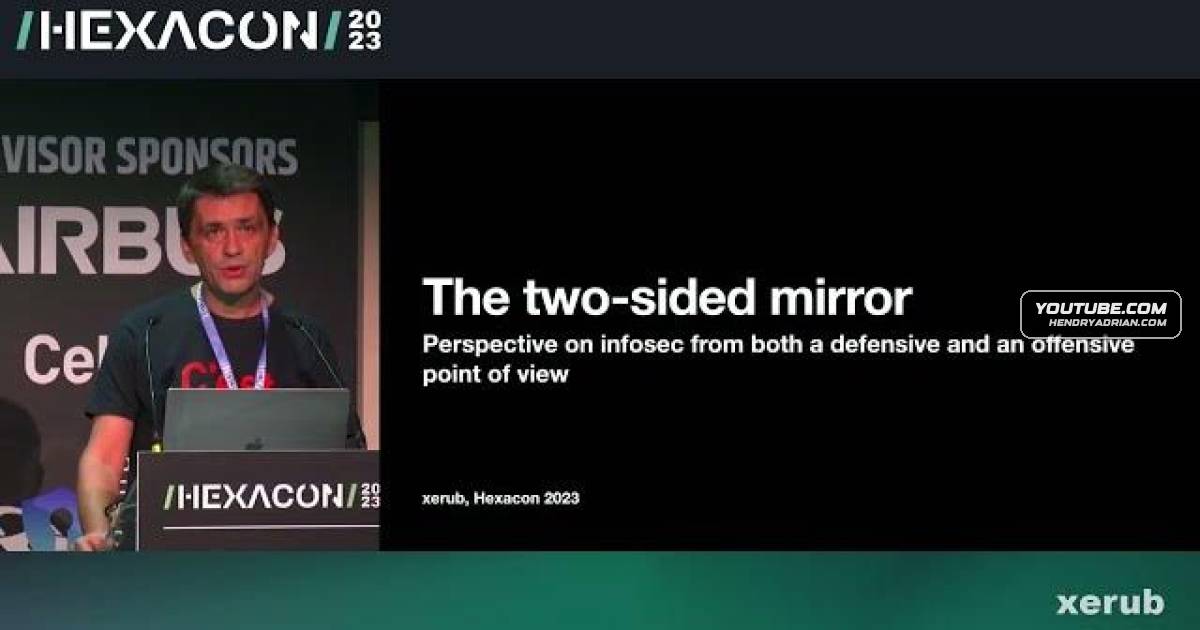
Summary
Researcher xerub traces the evolution of iOS security mitigations, their historical bypasses and the growing difficulty of building exploit chains, while recommending Lockdown Mode as a defense against attacks such as BLASTPASS.
Key points
- Xerub describes how complex code bases, outdated libraries and inadequate testing can create security weaknesses.
- Fuzzing can uncover bugs, but the speaker cautions that some sophisticated flaws are unlikely to be found this way.
- The talk traces iOS defenses including code signing, sandboxing, ASLR, kernel protections and pointer authentication, alongside historical bypasses.
- Xerub says Lockdown Mode protected devices against BLASTPASS and recommends enabling it; the exploit involved malicious images in a pass attachment.
- The speaker says layered mitigations have substantially increased the effort and cost of building reliable exploit chains.
Article Details
- Topics
- [00:56] Defensive security experience and iOS exploit research
- [03:57] Software security challenges, testing and fuzzing
- [12:32] Bug bounties and limitations of narrow patches
- [14:45] Evolution and bypasses of iOS security mitigations
- [29:48] CoreTrust, BlastDoor and BLASTPASS
- [32:24] iOS hardening, Developer Mode and Lockdown Mode
- [35:21] Emerging mitigations and the increasing cost of exploitation